
Neuroscience
Racing Thoughts: Attention, Arousal and Getting Support
Understand several routes to racing thoughts, distinguish helpful brain models from diagnoses, and choose practical next steps for persistent problems.
Mastering the Poet-Brain Phenotypes of ADHD, Anxiety, and Autism
Explore Gifted & Tortured, including reader resources and book details.
Mindfulness for Brains That Won't Sit Still
Explore Half a Second More and its companion resources at Peak Brain Press.
Understand several routes to racing thoughts, distinguish helpful brain models from diagnoses, and choose practical next steps for persistent problems.

Distinguish persistent tinnitus, reactions to specific sounds and musical imagery, with realistic explanations and appropriate routes to support.

How clock changes affect sleep and circadian timing, what health studies can establish, and practical ways to prepare for the transition.

Examine modifiable dementia risk factors, lifestyle trials and the limits of prevention claims, with practical questions for a healthcare visit.

Understand the ELAD and EVOKE Alzheimer trials, early semaglutide findings in alcohol-use disorder, and the limits of extending results to other uses.

What brain-imaging studies suggest about variation in ADHD, where proposed subtypes remain uncertain, and what this means for assessment.

Seven evidence-informed areas to discuss and act on after 50, from cardiovascular health to hearing and activity, with realistic expectations.

How researchers study attraction, attachment and rejection, why several brain systems are involved, and the limits of reading feelings from brain scans.

Examine how neurofeedback works, what controlled studies show, and the questions that help distinguish responsible practice from unsupported promises.

Understand home neurofeedback equipment, supervision, recording quality and practical commitments before deciding whether remote training suits you.

What anxiety neurofeedback studies have tested, where the evidence remains preliminary, and how brain training fits alongside established care.

Understand why neurofeedback coverage varies, how to check your exact plan, and what to ask about codes, medical necessity and reimbursement.

Compare neurofeedback program costs, understand what a package includes, and ask useful questions about reassessment, refunds and possible non-response.
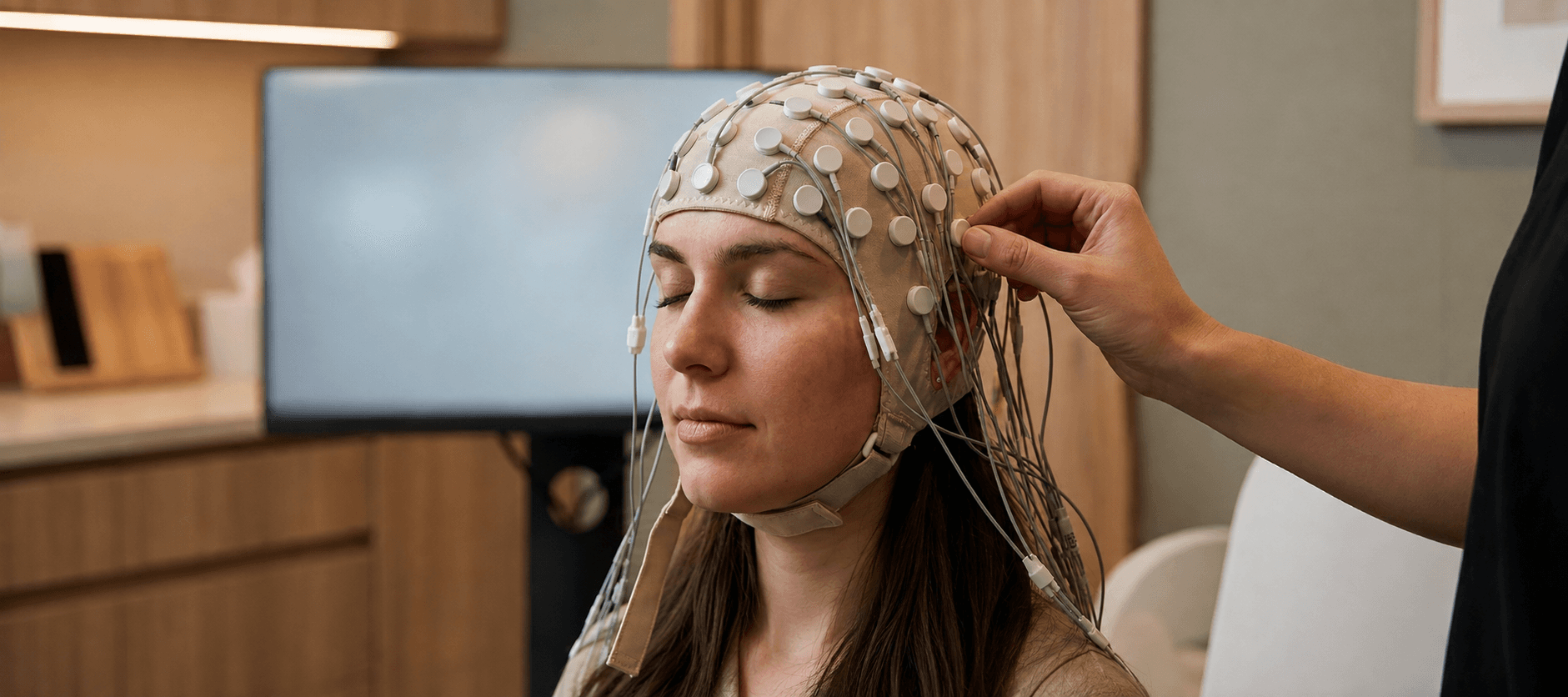
How quantitative EEG is recorded and interpreted, what affects the results, and the limits of using a brain map to explain symptoms or select training.
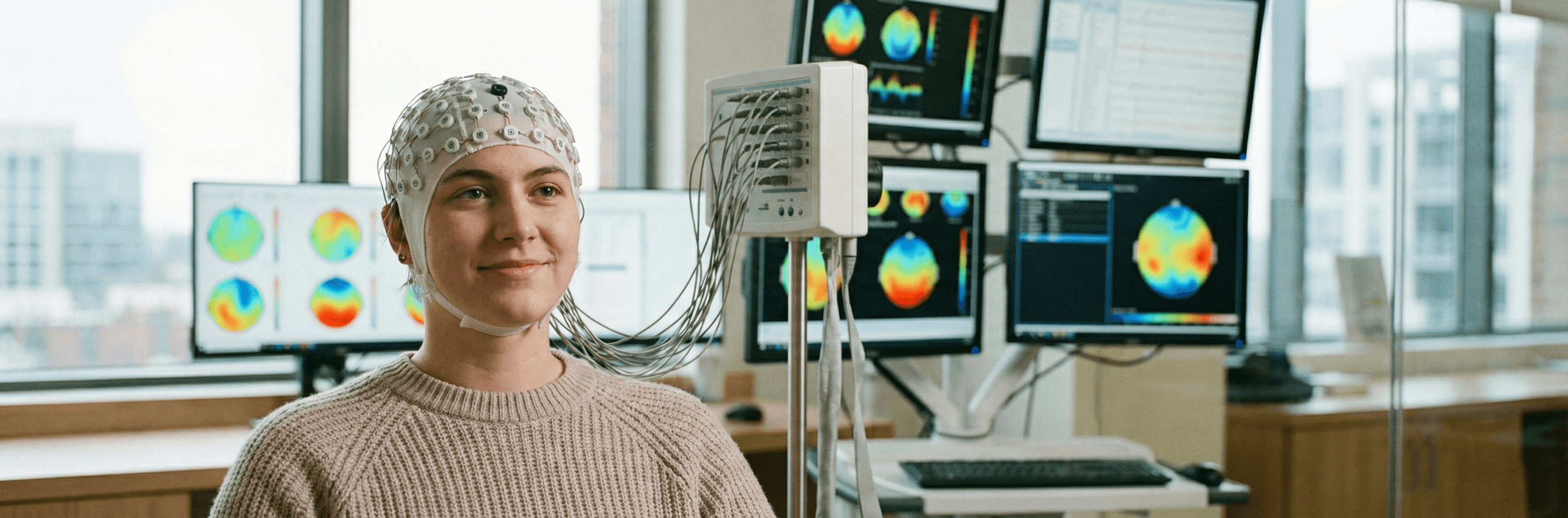
A balanced look at ADHD neurofeedback studies, sham controls, possible benefits and limits, with questions to ask before committing to training.

What sensorimotor rhythm training targets, what an insomnia trial found, and why sleep and ADHD outcomes need separate evaluation.

What habit-formation research actually found, why timelines vary, and how to choose a repeatable action that fits your daily context.

What transcranial red and near-infrared light studies have tested, which findings are preliminary, and why device and treatment claims need care.

How to read claims about a critical brain-aging window, distinguish population patterns from personal forecasts, and focus on supported actions.

Why family demands and ADHD can turn small conflicts into yelling, with practical ways to reduce friction and know when support would help.

What alpha rhythms measure, how their meaning changes with attention and recording state, and what alpha neurofeedback studies suggest about memory.

Brain fog has many possible causes. Understand the patterns worth tracking, the limits of brain maps, and when a medical evaluation matters.
What time-restricted eating trials show about metabolic health, how meal timing differs from calorie reduction, and who needs individualized guidance.

What recurring EEG patterns describe, how recording conditions affect them, and why a brain map needs context before it guides training.

Use a consistent wake time, appropriate light exposure and a manageable morning routine to support sleep timing and daytime alertness.

How practice and experience change brain function, what plasticity can and cannot explain, and how to build conditions for useful learning.

Why sensory demands and social situations can be tiring, how context changes the load, and what practical accommodations and assessment can offer.

Use recall, spaced practice and specific feedback to study more effectively, with an accurate account of a sleep and motor-learning experiment.

Understand different memory problems, use practical learning techniques, and recognize when forgetfulness deserves medical attention.

A clear account of obsessions, compulsions and established OCD treatment, including the mixed evidence on NAC and other proposed add-ons.

How nervous and hormonal systems mobilize the body under stress, with practical ways to understand demands, try comfortable breathing and seek support.

What flow research measures, how task difficulty shapes engagement, and what an arithmetic imaging study can teach us about sustained work.

Distinguish improving a practiced task from broader cognitive gains, examine education and brain-training research, and choose useful learning goals.

A practical account of cues, rewards and repetition, with ways to change daily habits and recognize patterns that need more support.

What meditation trials show about anxiety symptoms and brain structure, including a comparison with escitalopram and limits of eight-week MRI claims.

How sleep supports attention and health, what trackers can tell you, and how to approach persistent insomnia, fatigue or possible sleep apnea.

How threat learning, attention and bodily arousal interact in anxiety, with a clear account of established care and emerging brain-training research.

A practical introduction to mindfulness: what to do with wandering attention, how to build regular practice, and when guidance or adaptation helps.

Understand the role of task friction, emotion and attention in procrastination, then build a small, concrete plan for starting and following through.
Get new articles and brain training insights by email.
No spam, unsubscribe anytime.