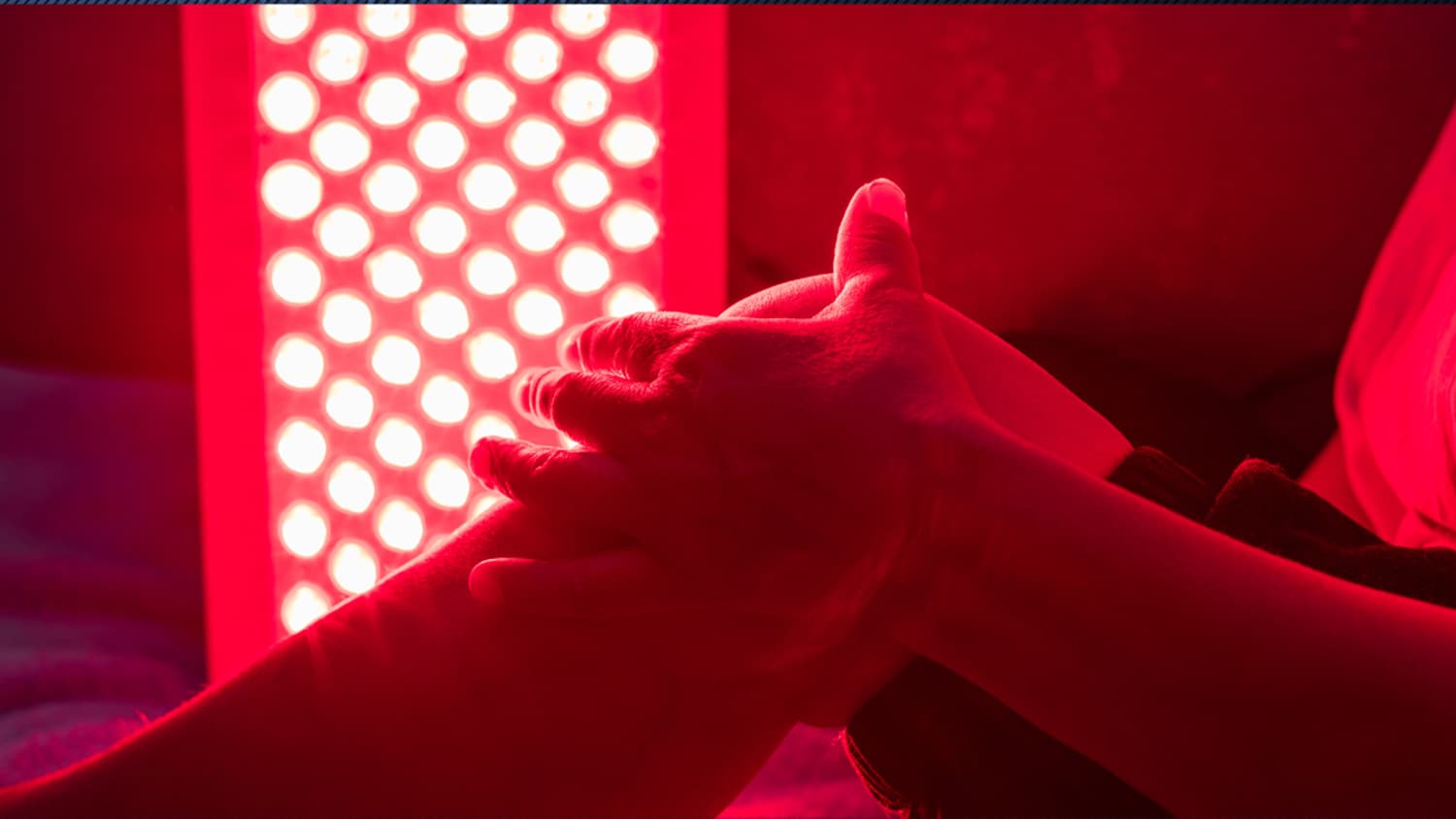
Brain Biohacking with Photobiomodulation: Red and Near-Infrared Light Therapy
Photobiomodulation (PBM)—shining specific wavelengths of light on your head—sounds like pseudoscience.
But the mechanism is well-established: near-infrared light (NIR, 800-1100 nm) penetrates the skull and activates cytochrome c oxidase (Complex IV in the mitochondrial electron transport chain). This increases ATP production, improves cerebral blood flow, and reduces neuroinflammation.
Multiple studies show cognitive improvements from transcranial PBM: better memory, faster processing speed, reduced brain fog. The effects are modest but measurable, particularly in populations with compromised brain function (post-concussion, dementia, depression, traumatic brain injury).
This guide breaks down the mechanism, the wavelengths that matter, the evidence for cognitive enhancement, and practical protocols.
The Mechanism: How Light Affects Mitochondria

Your neurons are energy-intensive. They require constant ATP (cellular energy) to maintain ion gradients, fire action potentials, and synthesize neurotransmitters.
ATP is produced in mitochondria via the electron transport chain (ETC)—a series of protein complexes that transfer electrons and pump protons, creating a gradient that drives ATP synthesis.
The bottleneck: Complex IV (cytochrome c oxidase)
When Complex IV is inhibited—by nitric oxide (NO) binding, oxidative stress, or inflammation—ATP production drops. Neurons become sluggish. You experience brain fog, slowed cognition, mental fatigue.
Red light (600-810 nm) is absorbed by cytochrome c oxidase in mitochondria, displacing nitric oxide and increasing ATP production. Near-infrared light (810-1070 nm) penetrates deeper and activates ion channels, further enhancing cellular energy.
Enter PBM:
Red light (600-810 nm):
- Absorbed by cytochrome c oxidase (Complex IV)
- Displaces nitric oxide (removes inhibition)
- Increases ATP production
- Creates proton gradient → more efficient electron transport
Near-infrared light (810-1070 nm):
- Penetrates deeper into tissue (up to 30-40mm)
- Activates light-sensitive ion channels
- Increases intracellular calcium, which triggers cell signaling cascades
- Further enhances ATP production
Secondary effects:
- Increased cerebral blood flow (vasodilation via nitric oxide release)
- Reduced neuroinflammation (modulates microglial activation)
- Increased BDNF (supports neuroplasticity)
- Reduced oxidative stress (improved mitochondrial efficiency)
The vascular connection: PBM doesn't just affect mitochondria—it directly modulates cerebrovascular function. The 0.1 Hz vasomotion oscillations that drive blood flow to metabolically active brain regions get enhanced by NIR exposure. This creates a feedback loop: better energy production demands more blood flow, which NIR helps deliver by improving vascular responsiveness.
The Wavelengths: What Penetrates the Skull?
Red (630-660 nm):
- Penetration: 8-10mm
- Reaches scalp, skull surface
- Good for surface effects, limited brain penetration
Near-Infrared (810-850 nm):
- Penetration: 30-40mm
- Reaches cortical surface (through skull)
- Most-studied wavelength for transcranial PBM
Deep NIR (1070 nm):
- Penetration: Potentially deeper than 810-850 nm
- Less tissue absorption = deeper reach
- Emerging research, fewer studies than 810 nm
The target: Cortical surface (1-2 cm deep). Subcortical structures (hippocampus, amygdala, basal ganglia) are too deep for transcranial PBM to reach directly, but may benefit indirectly via increased cortical blood flow and reduced inflammation.
Important distinction: These penetration depths represent tissue exposure, not necessarily functional activation. Brain regions work through distributed networks, not localized "mood centers" or "memory zones." The prefrontal cortex connects extensively with subcortical regions, so surface stimulation can influence deeper circuits through network effects.
The Evidence: What Does PBM Actually Do?
Cognitive Enhancement in Healthy Adults
Improvements shown:
- Faster reaction time (5-10% improvement after single session)
- Better working memory (improved digit span tasks)
- Enhanced executive function (task-switching, cognitive flexibility)
- Reduced mental fatigue
Study example: Gonzalez-Lima & Barrett (2014) showed that single 4-minute session of transcranial NIR (1064 nm) improved reaction time and sustained attention.
Mechanistic insight: These improvements likely reflect enhanced prefrontal cortex function. The prefrontal cortex, particularly areas 9 and 46, orchestrate executive functions through connections with anterior cingulate cortex and posterior parietal regions. Better mitochondrial function in these networks translates to faster cognitive processing.
Effect size: Small to moderate. Not dramatic, but measurable.
Traumatic Brain Injury (TBI) and Concussion
PBM shows more robust effects in populations with compromised brain function.
Mechanisms:
- Reduces neuroinflammation (post-injury, microglia stay activated for weeks-months)
- Improves cerebral blood flow (often impaired post-concussion)
- Restores mitochondrial function (injury disrupts electron transport)
Evidence:
- Naeser et al. (2011): Chronic TBI patients showed improved cognition and reduced PTSD symptoms after 18 sessions of transcranial PBM (red + NIR LED).
- Multiple case studies report reduced brain fog, improved sleep, better mood.
Why TBI responds better: Injured brains have impaired mitochondrial function and dysregulated blood flow. Many post-concussion symptoms—brain fog, sleep disruption, attention problems—stem from metabolic dysfunction rather than structural damage. PBM addresses these energy deficits directly.
Pattern recognition matters: Post-concussion brain patterns often look similar to sleep apnea or post-COVID brain fog on EEG. The underlying dysfunction involves similar prefrontal and temporal regions, explaining why PBM helps across these conditions.
Not a cure, but: Consistent PBM can reduce symptoms when combined with other interventions (neurofeedback, sleep optimization, anti-inflammatory diet).
Alzheimer's Disease and Dementia
Emerging evidence suggests PBM may slow cognitive decline in early-stage dementia.
Mechanisms:
- Reduces amyloid-beta accumulation (improved mitochondrial function = less oxidative stress = less amyloid production)
- Increases cerebral blood flow (improves oxygen/glucose delivery)
- Reduces neuroinflammation
Evidence:
- Lim & Park (2023): PBM improved cognitive function in Alzheimer's patients over 12-week trial
- Salehpour et al. (2021): Review suggests potential benefit, but larger trials needed
Clinical status: Experimental. Not standard treatment. May be adjunct to standard care.
Depression and Anxiety
PBM may improve mood via:
- Increased prefrontal cortex activity (hypoactive in depression)
- Enhanced mitochondrial function (energy for emotional regulation)
- Reduced inflammation (inflammatory cytokines contribute to depression)
Evidence:
- Multiple small studies show mood improvements
- Effects comparable to antidepressants in some trials
- Needs larger, controlled studies
Network effects: Depression involves hypoactivity in prefrontal-limbic circuits. PBM targeting the prefrontal cortex can strengthen top-down emotional regulation through connections to anterior cingulate cortex and amygdala. The mood improvements reflect restored network balance, not just local metabolic changes.
Combining PBM with Other Brain Training
Synergy with HEG neurofeedback: Hemoencephalography (HEG) trains voluntary control of prefrontal blood flow using real-time feedback. PBM primes the vascular system for better responsiveness, potentially enhancing HEG training effects. Some practitioners combine both—using PBM before HEG sessions to optimize blood flow capacity.
The measurement distinction: HEG uses near-infrared light to measure blood oxygenation changes (active system bouncing light off tissue), while PBM delivers therapeutic light energy. They use similar wavelengths but serve different functions—measurement versus treatment.
The Practical Protocol
Device selection:
Helmet-style devices:
- Vielight (810 nm intranasal + transcranial LEDs)
- Neuronic Neuradian 1070 (1070 nm, deep penetration)
- Optimal for whole-head coverage
Panels:
- Red light therapy panels (Joovv, RedTherapyCo)
- Position ~12-18 inches from head
- Good for targeted areas (frontal, temporal)
Dose:
Power density: 10-40 mW/cm² at skin surface
Duration: 10-20 minutes per session
Frequency: Daily or 5-6x/week
Total energy delivered: 6-12 J/cm²
Targeting considerations: Most benefits come from prefrontal and temporal regions. Don't get trapped thinking you need to stimulate specific "brain centers"—these regions connect extensively with other areas. Focus on consistent, adequate coverage rather than trying to target individual symptoms to specific locations.
Timing:
- Morning: For alertness, mood, cognitive performance
- Evening: For recovery, reduced inflammation (doesn't disrupt sleep—NIR doesn't suppress melatonin like blue light)
Timeline: Expect subtle improvements after 2-4 weeks, more noticeable effects after 8-12 weeks of daily use.
What to Expect (Realistic)
Strong responders:
- Reduced brain fog (clearer thinking)
- Faster mental processing
- Better mood, reduced anxiety
- Improved sleep (especially if brain fog was disrupting sleep)
Weak responders:
- Minimal subjective changes
- May still have objective benefits (increased cerebral perfusion on imaging)
Non-responders:
- Some people don't notice effects
- Mechanism unclear—possibly already optimal mitochondrial function, or insufficient penetration
Response patterns: People with compromised brain function (post-concussion, chronic fatigue, depression) typically respond better than already high-functioning individuals. This suggests PBM works best when there's room for metabolic improvement.
Important: PBM is not a cure for anything. It's a supportive intervention that may improve brain function when combined with other strategies (sleep, exercise, nutrition, stress management).
Safety and Contraindications
Generally safe:
- Low power, non-ionizing radiation (doesn't damage DNA)
- Minimal side effects (occasional mild headache in first few sessions)
Contraindications:
- Active cancer (PBM promotes cell proliferation—avoid in cancer patients)
- Photosensitivity (rare genetic conditions, certain medications)
- Thyroid issues (avoid direct thyroid exposure—can stimulate thyroid)
Not recommended:
- During pregnancy (insufficient safety data)
- Children (developing brains, unknown long-term effects)
Medical supervision recommended for:
- TBI, concussion recovery
- Depression, anxiety (adjunct to standard treatment)
- Dementia (experimental)
Bottom Line
Photobiomodulation uses near-infrared light (810-1070 nm) to activate cytochrome c oxidase in mitochondria, increasing ATP production and improving brain function through enhanced vascular dynamics and reduced inflammation.
The evidence:
- Strongest: TBI, concussion recovery (reduced brain fog, improved cognition)
- Moderate: Depression, anxiety (mood improvements via prefrontal-limbic circuits)
- Emerging: Alzheimer's, dementia (may slow decline)
- Modest: Healthy adults (small but measurable cognitive enhancement)
The protocol:
- Wavelength: 810-850 nm or 1070 nm
- Dose: 10-20 min daily
- Device: Helmet-style (Vielight, Neuronic) or panel (Joovv)
- Timeline: 8-12 weeks for noticeable effects
Key insight: PBM works best when brain function is already compromised. It addresses metabolic bottlenecks rather than pushing already optimal systems. Think of it as removing the brake (mitochondrial dysfunction) rather than pressing the accelerator.
PBM is adjunct, not primary intervention. Optimize sleep, exercise, and nutrition first. Add PBM if you have brain fog, post-concussion symptoms, or want marginal cognitive gains.
It's not magic. It's mitochondrial biophysics applied to distributed brain networks. And for some people—particularly those with compromised brain metabolism—it works.
TAGS
Related Articles
SMR Neurofeedback: The Calm-Alert Brainwave That Trains Sleep, Focus, and Self-Control
SMR (sensorimotor rhythm, ~12–15 Hz) is the workhorse protocol in neurofeedback: it builds calm alertness, improves sleep spindles, and stabilizes impulse control by strengthening thalamocortical inhibition.
The Critical Aging Window: Why Your Brain Starts Aging at 44, Not 70
If you're 44 or older, your brain networks are already destabilizing. Not from lost neurons. Not from plaques or tangles. From **metabolic stress**—specifically, your neurons' declining ability to use...
Why Does My ADHD Kid Make Me Yell? (And What to Do About It)
You asked your child to put on their shoes fifteen minutes ago. They're still sitting on the floor, one shoe on, building a Lego tower, completely oblivious to the fact that you're late for school.
About Dr. Andrew Hill
Dr. Andrew Hill is a neuroscientist and pioneer in the field of brain optimization. With decades of experience in neurofeedback and cognitive enhancement, he bridges cutting-edge research with practical applications for peak performance.
Get Brain Coaching from Dr. Hill →