Neuroscience
Where Is Love in the Brain?
Feb 9, 2026
The brain circuits behind love, heartbreak, and rejection — why your brain computes 'precious,' why breakups physically hurt, and what you can do about it.
Train your brain's electrical patterns directly through EEG biofeedback. Real-time monitoring shows your brainwave activity—alpha, beta, theta, SMR—and rewards desired patterns. This operant conditioning strengthens specific neural circuits: alpha training for anxiety reduction, SMR for attention and impulse control, beta protocols for executive function enhancement. Unlike medication or talk therapy, neurofeedback teaches your brain to self-regulate through direct feedback. Protocols are personalized based on QEEG brain mapping that identifies your specific dysregulation patterns. Evidence-based approach backed by 40+ years of research, FDA-cleared for ADHD, extensively studied for anxiety, sleep disorders, peak performance, PTSD, and cognitive optimization.
170 items
Train your brain's electrical patterns directly through EEG biofeedback. Real-time monitoring shows your brainwave activity—alpha, beta, theta, SMR—and rewards desired patterns. This operant conditioning strengthens specific neural circuits: alpha training for anxiety reduction, SMR for attention and impulse control, beta protocols for executive function enhancement. Unlike medication or talk therapy, neurofeedback teaches your brain to self-regulate through direct feedback. Protocols are personalized based on QEEG brain mapping that identifies your specific dysregulation patterns. Evidence-based approach backed by 40+ years of research, FDA-cleared for ADHD, extensively studied for anxiety, sleep disorders, peak performance, PTSD, and cognitive optimization.
The brain circuits behind love, heartbreak, and rejection — why your brain computes 'precious,' why breakups physically hurt, and what you can do about it.

An honest assessment of the evidence for neurofeedback — what's well-established, what's emerging, what remains uncertain, and how to separate legitimate practice from hype.
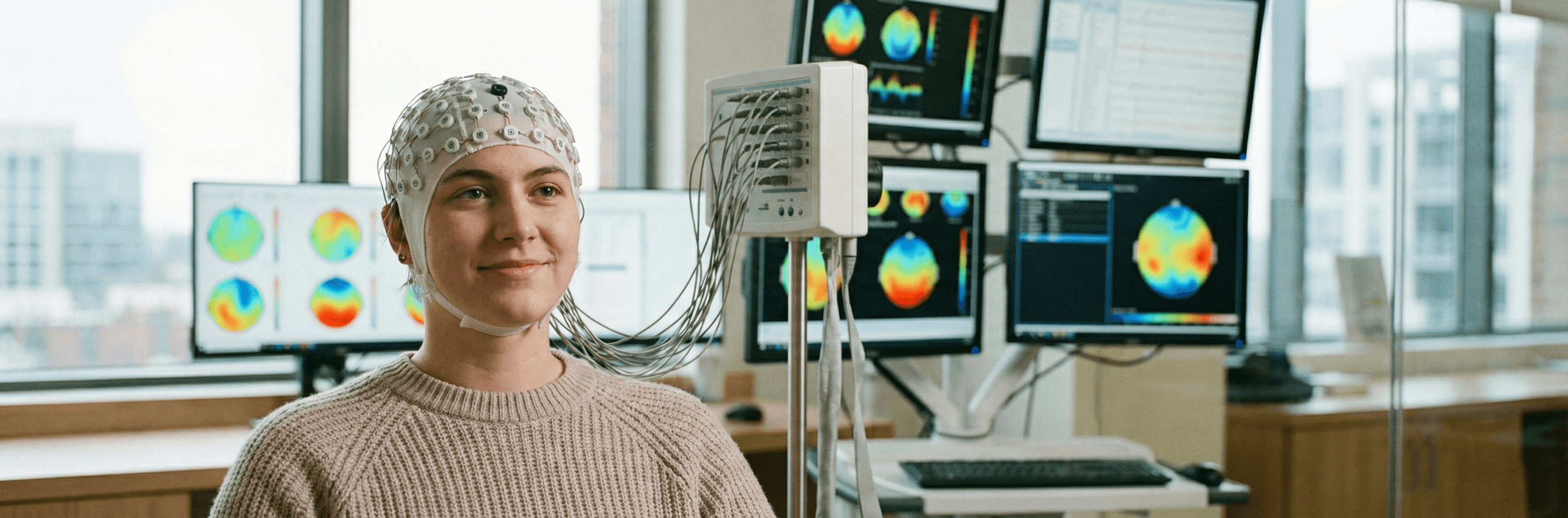
A PhD neuroscientist who has mapped 25,000+ brains breaks down the evidence for neurofeedback as an ADHD intervention — what the research actually shows, which protocols work, and what to expect.

Research review of neurofeedback for anxiety — which protocols work, what the clinical data show, and how to match the intervention to your specific anxiety pattern.

Transparent breakdown of neurofeedback costs — per session, program packages, remote options, and whether it's worth the investment. From a neuroscientist running clinics since 2014.
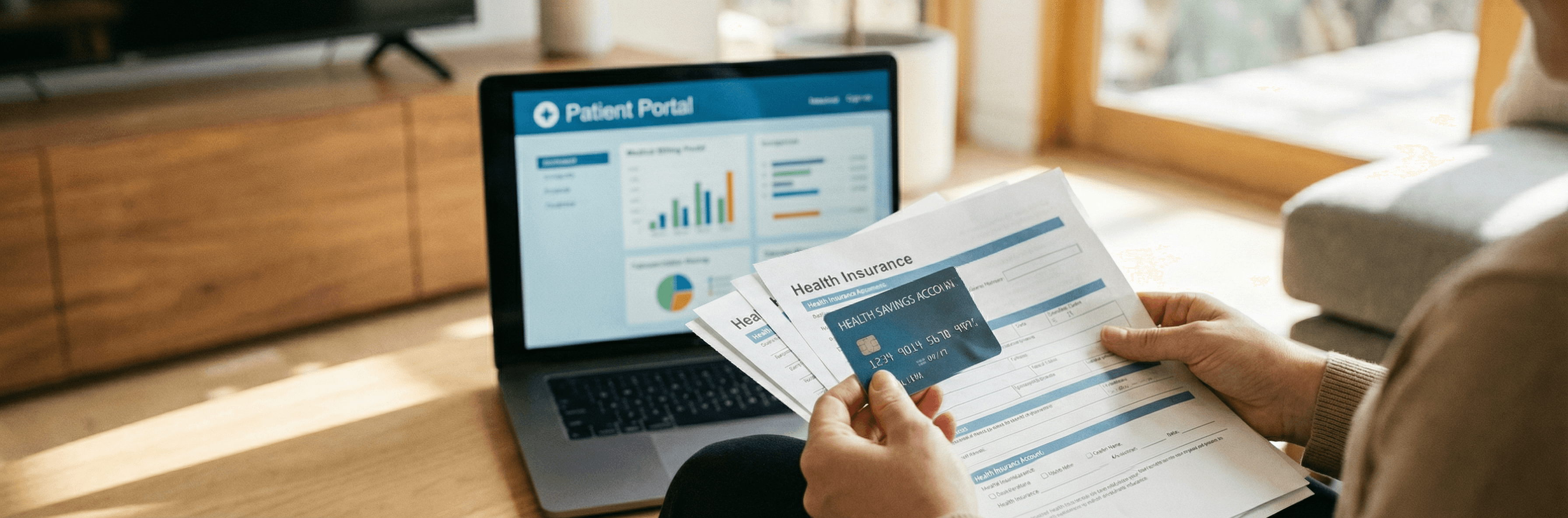
Straight answers on neurofeedback insurance coverage — what's covered, what's not, and how to maximize your benefits including HSA, FSA, and out-of-network reimbursement.
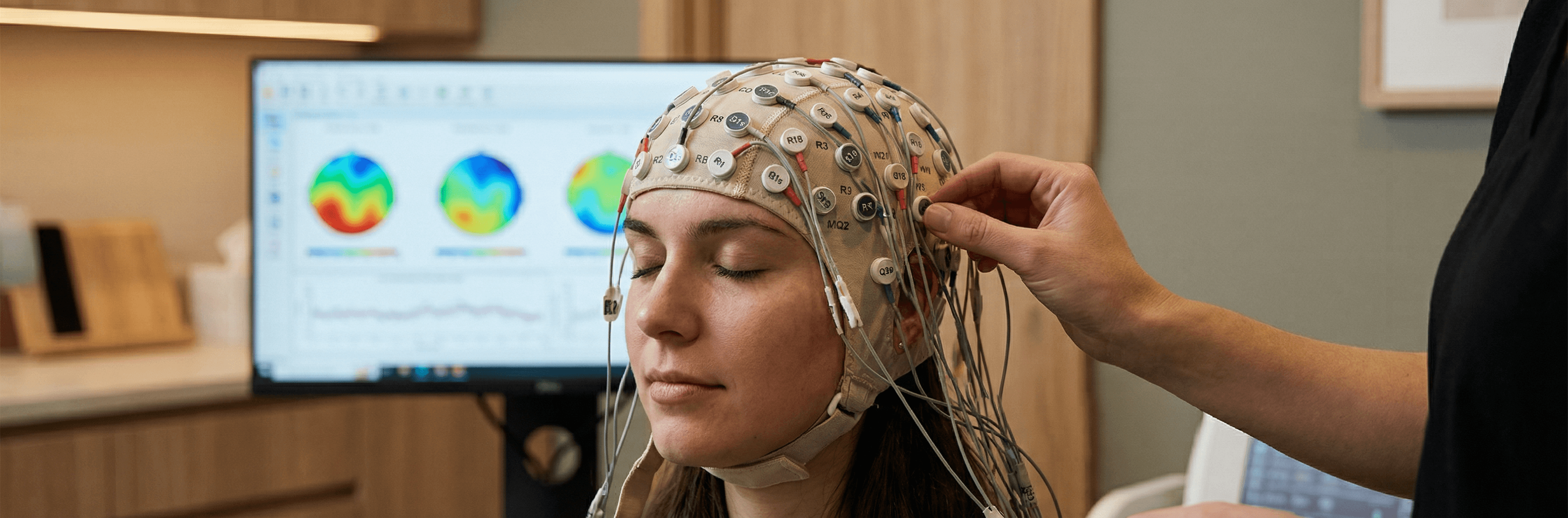
A neuroscientist who has analyzed 25,000+ QEEG brain maps explains what quantitative EEG actually measures, what it reveals about your brain, and what the assessment experience is like.
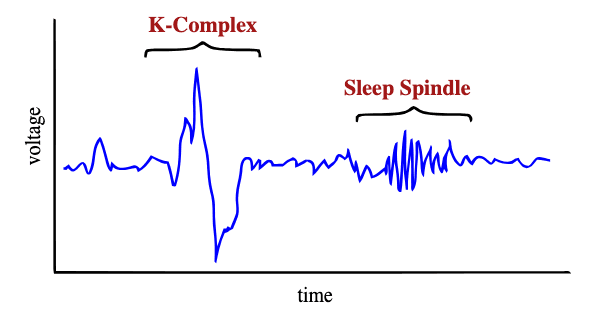
SMR (sensorimotor rhythm, ~12–15 Hz) is the workhorse protocol in neurofeedback: it builds calm alertness, improves sleep spindles, and stabilizes impulse control by strengthening thalamocortical inhibition.
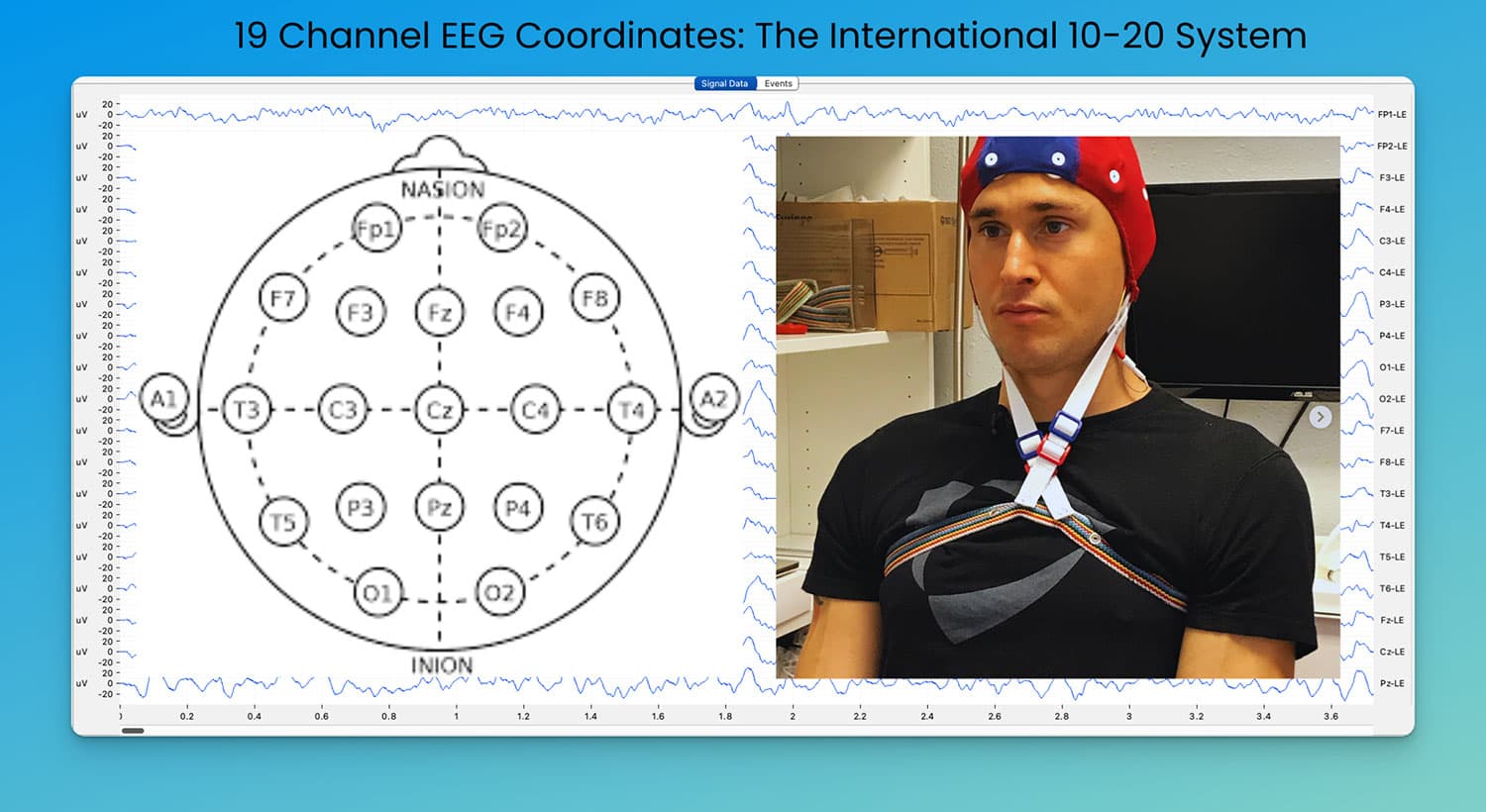



Live Q&A sessions from Neurofeedback & Chill where Dr. Hill demonstrates protocols, answers viewer questions, and explores neurofeedback applications in real-time with QEEG examples and brain training discussions.

This week on Neurofeedback & Chill we're covering research that completely reframes how we should think about dementia prevention. Turns out the roots of cognitive decline at 70 trace back to your brain at 11. Or younger. Maybe even prenatal exposures. New studies show that cognitive ability in childhood is a stronger predictor of late-life function than the rate of decline in old age. And brain scans reveal damage patterns more closely tied to early-life risk factors than current lifestyle. This changes everything about how we approach neurofeedback, QEEG mapping, and brain optimization. I'll break down: - Why 45% of dementia is preventable (and when prevention should actually start) - The 14 modifiable risk factors across the lifespan - What 25,000+ brain maps tell me about building resilient brains - Whether the "Gifted & Tortured" phenotypes have different dementia risk profiles - How early neurofeedback training might build cognitive reserve for decades Research: https://www.sciencealert.com/the-roots-of-dementia-trace-back-all-the-way-to-childhood-experts-find Plus your AMA questions. ⏰ Live at 6pm Pacific 👉 *New website resource:* http://andrewhillphd.com 👉 *Book a free consult call:* https://calendly.com/drhill1 This is an interactive stream—bring your questions about brain patterns, neurofeedback, phenotypes, or anything brain-related. Whether you're new to neuroscience or a seasoned biohacker, all levels welcome!

Your brain's blood vessels aren't passive pipes—they're rhythmic oscillators. Every 10 seconds, tiny arteries in your cortex squeeze and relax in coordinated waves. This is vasomotion, and three breakthrough 2024 papers just revealed something remarkable: these vascular oscillations are plastic, trainable, and functionally important for waste clearance and brain health. For 25 years, I've used a simple neurofeedback tool called passive infrared HEG (hemoencephalography) that measures prefrontal blood flow via thermal radiation. People train their blood flow up, and migraines decrease, attention improves, anxiety drops. But the mechanism was always vague—"training neurovascular coupling" or "increasing prefrontal activation." These new papers give us a sharper model. When you train with HEG, you're likely training the flexibility and coherence of vasomotion—teaching vascular oscillators to respond more smoothly to neural demand and potentially improving waste clearance through the glymphatic system. **Key findings from 2024 research:** • Vasomotion forms traveling waves across cortex that dominate resting perfusion (Broggini et al., *Neuron*) • Vascular oscillations are plastic and entrainable—repeated stimulation improves waste clearance (Sasaki et al., *eLife*) • After stroke, vessels lose their rhythm; restoring vasomotion may be neuroprotective (Zhao et al.) **The training hypothesis:** HEG neurofeedback uses repeated, spaced trials (up-regulate prefrontal blood flow, get feedback, rest, repeat). This is structurally identical to the entrainment protocols shown to train vasomotion in animal models. Over 10-20 sessions, you're teaching the prefrontal vascular network to oscillate more coherently and respond more efficiently. **Clinical data:** Multiple studies show HEG reduces migraine frequency/severity, improves attention and executive function, and decreases anxiety and depression. The evidence is solid. What's new is understanding *why*—we're training the rhythmic, plastic dynamics of the cerebrovascular system. This connects to my previous video on cognitive cadence: the 10-second vasomotion rhythm is one of the nested timescales that keeps your brain functioning. Lose the rhythm (chronic stress kills the pacemaker neurons), and cognition degrades. Train the rhythm, and function improves. **Primary sources:** Broggini et al. (2024) - *Neuron* - Traveling waves of vasomotion Sasaki et al. (2024) - *eLife* - Plastic vasomotion entrainment Zhao et al. (2024) - Vasomotion dysfunction after stroke Turner et al. (2025) - *eLife* - nNOS neurons as vascular pacemakers **Clinical HEG references:** Carmen (2004), Stokes & Lappin (2010), Walker & Lyle (2016), Dias et al. (2012), Baker (2023) --- ## Tags vasomotion, HEG neurofeedback, hemoencephalography, cerebral blood flow, brain waves, neurovascular coupling, glymphatic system, brain optimization, migraine treatment, ADHD, neurofeedback, biofeedback, prefrontal cortex, vascular plasticity, neuroprotection, cognitive neuroscience, functional neuroimaging, waste clearance, chronic stress Live Q&A as always. ⏰ Live at 6pm Pacific 👉 Prerelease book interest: https://andrewhillphd.com/gifted-and-tortured-book-pre-release-interest/ 👉 *Black Friday / Cyber Monday* QEEG & Neurofeedback Specials :https://www.peakbrain.global/black-friday 👉 *Book a free consult call:* https://calendly.com/drhill1 This is an interactive stream—bring your questions about brain patterns, neurofeedback, phenotypes, or anything brain-related. Whether you're new to neuroscience or a seasoned biohacker, all levels welcome!

Ever notice how everything feels like your fault... but you're somehow powerless to fix any of it? This stream unpacks the brain mechanisms behind that specific torture: → Why sensitive brains auto-tag everything as "about me" (rTPJ / Princess & the Pea) → How agency circuits get trained to expect failure → Why you end up both hyper-responsible and frozen We'll break down three questions your brain is always asking: Is this about me? (self vs. world, right TPJ) Can I actually do anything here? (agency, control) What usually happens when I try? (predictions shaped by history) And how those three get wired together into patterns like: "Everything is my fault and I'm powerless" (Gifted & Tortured) "Some of this is mine, I can act, it might be okay" (calibrated agency) I'll share what this looks like in brain maps, connect it to the neurofeedback work I do, and talk about how small behavioral experiments can help you keep your sensitivity and nuance without getting stuck in learned helplessness. Live Q&A as always. ⏰ Live at 6pm Pacific 👉 Prerelease book interest: https://andrewhillphd.com/gifted-and-tortured-book-pre-release-interest/ 👉 *Black Friday / Cyber Monday* QEEG & Neurofeedback Specials :https://www.peakbrain.global/black-friday 👉 *Book a free consult call:* https://calendly.com/drhill1 This is an interactive stream—bring your questions about brain patterns, neurofeedback, phenotypes, or anything brain-related. Whether you're new to neuroscience or a seasoned biohacker, all levels welcome!

Your brain operates on nested rhythms—500ms reset waves, 10-second vascular cycles, and forced maintenance windows when you skip sleep. New 2025 research reveals how stress and sleep deprivation don't just make you tired—they destroy the rare neurons that keep these rhythms alive. ⏰ Live at 6pm Pacific 👉 *Black Friday* QEEG & Neurofeedback Specials :https://www.peakbrain.global/black-friday 👉 *Book a free consult call:* https://calendly.com/drhill1 This is an interactive stream—bring your questions about brain patterns, neurofeedback, phenotypes, or anything brain-related. Whether you're new to neuroscience or a seasoned biohacker, all levels welcome! In this video: Three breakthrough papers mapped this at three timescales: • 500 milliseconds — Rotating waves reset your PFC after distraction. This is why "multitasking" is impossible—every context switch costs you half a second minimum. • 10 seconds — Rare nNOS neurons drive vascular oscillations that deliver O2 and clear waste. Chronic stress kills these cells. • 2-5 minutes — When sleep-deprived, your brain hijacks waking moments for forced maintenance. You're offline for 15 seconds while CSF flushes your brain. **Key insight:** You can't think and clean simultaneously. Healthy cognition requires rhythmic alternation. Disrupt the rhythm (stress, sleep deprivation, multitasking) and the system collapses: errors accumulate, forced lapses intrude, pacemaker neurons die. **Primary sources:** Batabyal et al. (2025) - Journal of Cognitive Neuroscience - https://doi.org/10.1162/JOCN.a.2410 Turner et al. (2025) - eLife - https://doi.org/10.7554/eLife.105649.3 Yang et al. (2025) - Nature Neuroscience - https://doi.org/10.1038/s41593-025-02098-8 ## Tags cognitive neuroscience, brain rhythms, multitasking myth, task switching, sleep deprivation, stress and brain, vasomotion, glymphatic system, prefrontal cortex, cognitive performance, nNOS neurons, traveling waves, neurodegeneration, biohacking, brain optimization

Join me for a relaxed session where we dive into why your brain won't turn off—and what the science says about it. 👉 **Book a free consult call:** https://calendly.com/drhill1 Tonight we're exploring: - Why 3am anxiety happens (and it's not your fault) - The 12 phenotypes—your brain's "characters" that explain your patterns - How ADHD, autism, and anxiety share the same circuits - QEEG brain mapping—visual proof of what's happening in your head - How to work with your brain instead of against it This is an interactive stream—bring your questions about brain patterns, neurofeedback, phenotypes, or anything brain-related. Whether you're new to neuroscience or a seasoned biohacker, all levels welcome! ⏰ Live at 6pm Pacific Drop your questions in the chat and let's explore the fascinating world of neurodivergent brains together. Perfect background viewing while you wind down your day. #Neurofeedback #Brainwaves #QEEG #ADHD #Autism #Anxiety #Neurodivergent #Neuroscience #LiveStream #BrainOptimization #GiftedAndTortured 🔴 LIVE EVERY Monday 6pm PT Subscribe and hit the bell for weekly brain health updates! --- CONNECT: 💬 Chat with us live during the stream 📧 Questions? Drop them in the comments 🔔 Turn on notifications for upcoming streams --- 🧠 RESOURCES 🧠 👉 **Pre-release book interest list:** https://andrewhillphd.com/gifted-and-tortured-book-pre-release-interest/ 👉 **Book a free consult call:** https://calendly.com/drhill1 👉 **$250 off QEEG Brain Mapping at Peak Brain:** https://peakbraininstitute.com/special/ 👉 **YouTube Channel:** https://www.youtube.com/@DrHill/ 👉 **Peak Brain Institute:** https://www.peakbraininstitute.com 👉 **Dr. Hill's Articles:** https://andrewhillphd.com --- 💡 Whether you're a biohacker, someone whose brain won't cooperate, or just curious about understanding your neurodivergent patterns, this episode packs actionable insights backed by 25,000 brain maps and 25 years of clinical experience. --- **KEYWORDS/TAGS:** neurofeedback, brain health, ADHD, autism, anxiety, neurodivergent, QEEG, brain mapping, phenotypes, brain circuits, neuroscience, brain optimization, live stream, Dr Hill, chill stream, relaxing educational content, 2025 research, cognitive function, brain patterns, rejection sensitivity, sensory processing, creative flow, intensity, sensitivity, gifted and tortured, poet-brains, brain training, EEG, mindfulness, meditation, substance patterns, sleep optimization, productivity, self-mastery

How Quickly? And how does meditation change your brain?? 💡 WHAT YOU'LL LEARN: ✓ Why your first meditation session creates measurable brain changes ✓ The "8-week rule" for consistent functional benefits ✓ How expert meditators' brains work fundamentally differently (ACC shift) ✓ The minimum "dose" for real brain changes ✓ Why combining meditation with exercise is optimal ✓ Practical timeline for expecting results 📅 When: Tonight at 6 PM Pacific 📌 Subscribe and hit the notification bell so you don't miss future episodes! Can't make it live? Drop your questions in the comments, and I'll try to address them during the stream or later one. The replay will be available afterward. #Neurofeedback #Biohacking #BrainTraining #HealthOptimization #AMA #BrainHealth #Meditation #Aging 💬 Drop your questions in the comments—let's explore brain health together! 👉 Watch LIVE: Mondays 6pm Pacific 📺 YouTube.com/DrHill 👉 Ready to optimize your brain? https://peakbraininstitute.com/brain-training/neurofeedback/ 👉 Book a consult: https://calendly.com/drhill1 👉 Book a discount QEEG: https://peakbraininstitute.com/special/ Key Citations: • Lazar et al. (2005) - First evidence meditation increases cortical thickness: https://doi.org/10.1097/01.wnr.0000186598.66243.19 • Hölzel et al. (2011) - 8 weeks causes structural changes: https://doi.org/10.1016/j.pscychresns.2010.08.006 • Maher et al. (2025) - First meditation session changes deep brain activity: https://doi.org/10.1073/pnas.2409423122 • Jinich-Diamant et al. (2025) - 7-day retreat produces whole-system changes: https://doi.org/10.1038/s42003-025-09088-3 • Kral et al. (2022) - Large study challenges 8-week structural change claims: https://doi.org/10.1126/sciadv.abk3316 • Tang et al. (2010, 2012) - White matter changes in 2-4 weeks: https://doi.org/10.1073/pnas.1011043107 • Fox et al. (2014) - Meta-analysis of brain changes: https://doi.org/10.1016/j.neubiorev.2013.12.008 • Brefczynski-Lewis et al. (2007) - Expertise shows inverted-U in attention networks • Klimecki et al. (2014) - Compassion training recruits ventral ACC circuits

Welcome to this week's Neurofeedback & Chill, where I'm hosting an open Q&A session on all things neurofeedback, biohacking, and health optimization! ✨ Bring Your Questions About: - Neurofeedback technology and applications - Brain training protocols for specific goals - Biohacking tools and techniques - Health optimization strategies - Integrating multiple approaches for peak performance - Scientific research behind these methods - Getting started with brain training 💡 Whether you're new to neurofeedback or an experienced biohacker, this session is for you! I'll be answering questions live and diving deep into the science and practical applications of these powerful approaches. 📅 When: Tonight at 6 PM Pacific 📌 Subscribe and hit the notification bell so you don't miss future episodes! Can't make it live? Drop your questions in the comments, and I'll try to address them during the stream or later one. The replay will be available afterward. #Neurofeedback #Biohacking #BrainTraining #HealthOptimization #AMA #BrainHealth #PerformanceOptimization #CognitiveEnhancement #MentalPerformance #StressReduction #SleepOptimization #FocusImprovement #NeuralRegulation #NeuroplasticityTraining #BrainWaves #EEGTraining #PeakPerformance 💬 Drop your questions in the comments—let's explore brain health together! 👉 Watch LIVE: Mondays 6pm Pacific 📺 YouTube.com/DrHill 👉 Ready to optimize your brain? https://peakbraininstitute.com/brain-training/neurofeedback/ 👉 Book a consult: https://calendly.com/drhill1 👉 Book a discount QEEG: https://peakbraininstitute.com/special/

Can music habits protect your brain? And can EEG brainwaves help spot dementia early? We break down new research (listening vs playing), EEG biomarkers (AD vs FTD vs LBD), and where neurofeedback fits. 👉 Book a free consult call: https://calendly.com/drhill1 In this video we unpack two fresh threads in aging research— 1. how music engagement (listening & playing) relates to lower dementia risk, and 2. the EEG brainwave “fingerprints” that may help distinguish dementia types earlier (Alzheimer’s vs FTD vs Lewy body). We’ll decode the science without the jargon, show how these findings fit into brain health & neurofeedback, and take your live questions. Expect practical takeaways, a little myth-busting, and a fun “scientist-with-secrets” vibe. What we’ll cover • The new music–dementia findings: listening vs playing—what looks most protective and why. • How music may build cognitive reserve (multi-network activation, attention/emotion/memory effects). • EEG 101 for dementia: alpha slowing, posterior rhythms, connectivity, and what emerging AI models are finding. • Where neurofeedback or PBM fits (and where it doesn’t): possibilities, limits, and next steps. • Live Q&A Who this is for: curious minds, caregivers, clinicians-in-training, brain hackers, and anyone who loves the idea that playlists and brainwaves might actually tell us something helpful. ⚠️ Disclaimer: This stream is for education and is not medical advice. Talk with your clinician before making changes. ⸻ 🧠 References: • Jaffa, E., Wu, Z., Owen, A., Zaw Phyo, A. A., Woods, R. L., Orchard, S. G., Chong, T. T.-J., Shah, R. C., Murray, A., & Ryan, J. (2025). What is the association between music-related leisure activities and dementia risk? A cohort study. International Journal of Geriatric Psychiatry. Advance online publication. https://doi.org/10.1002/gps.70163 • Jungrungrueang, T., Chairat, S., Rasitanon, K., Limsakul, P., & Charupanit, K. (2025). Translational approach for dementia subtype classification using convolutional neural network based on EEG connectome dynamics. Scientific Reports, 15(1), Article 17331. https://doi.org/10.1038/s41598-025-02018-7 ⸻ 📅 Live 6 PM Pacific Mondays Subscribe and hit the bell 🔔 for weekly science‑backed brain updates. ⸻ 🧠 RESOURCES 👉 Book a free consult: https://calendly.com/drhill1 👉 $250 off QEEG Brain Mapping: https://peakbraininstitute.com/special/ ⸻ Relevant Topics: #Neurofeedback #EEG #Dementia #Alzheimers #BrainHealth #MusicTherapy #CognitiveReserve #Neuroscience #Aging #Longevity #FTD #LewyBodyDementia #Attention #Focus #Neurofeedback #QEEG #BrainTraining #ExecutiveFunction #Neuroplasticity #BrainOptimization #PeakBrain

👉 Book a free consult call: https://calendly.com/drhill1 Can neurofeedback actually make you better at sport? A new 2025 meta‑analysis looked at 21 studies and found a moderate boost to motor performance—Hedges’ g about 0.78. Let me unpack what that means—and how to not waste your time. In this video I break down the numbers, who benefits (novices vs. experts), how to structure your first 2–3 weeks of training, and how to measure real‑world transfer to your sport. Then we’ll do live Q&A—drop your sport and goal in the chat. ⸻ 2025 meta-analysis (open access): https://pmc.ncbi.nlm.nih.gov/articles/PMC12019780/ 2025 journal page (Wiley): https://onlinelibrary.wiley.com/doi/10.1111/sms.70055 PubMed record (2025): https://pubmed.ncbi.nlm.nih.gov/40270441/ Dose meta (motor performance, 2023): https://pubmed.ncbi.nlm.nih.gov/36870431/ Attention meta (sham-controlled caveat, 2024): https://direct.mit.edu/imag/article/doi/10.1162/imag_a_00053/118349/Efficacy-of-neurofeedback-training-for-improving WADA 2025 Prohibited List (PDF): https://www.wada-ama.org/sites/default/files/2024-09/2025list_en_final_clean_12_september_2024.pdf ⸻ 🧠 Key Takeaways • Overall effect: moderate boost to motor performance • Better‑designed studies → bigger effects • Novices may see larger gains than experts • Measure the sport, not just the EEG ⸻ 📅 Live 6 PM Pacific Mondays Subscribe and hit the bell 🔔 for weekly science‑backed brain updates. ⸻ 🧠 RESOURCES 👉 Book a free consult: https://calendly.com/drhill1 👉 $250 off QEEG Brain Mapping: https://peakbraininstitute.com/special/ ⸻ Relevant Topics: QEEG, brain mapping, neurofeedback, SMR, alpha peak frequency, processing speed, coherence, brain optimization, sports, sport performance Tags: #Attention #Focus #Neurofeedback #QEEG #BrainTraining #ExecutiveFunction #Neuroplasticity #BrainOptimization #PeakBrain #sports #sportsperformance #braintraining

Welcome to this week's Neurofeedback & Chill, where I'm hosting an open Q&A session on all things neurofeedback, biohacking, and health optimization! ✨ Bring Your Questions About: - Neurofeedback technology and applications - Brain training protocols for specific goals - Biohacking tools and techniques - Health optimization strategies - Integrating multiple approaches for peak performance - Scientific research behind these methods - Getting started with brain training 💡 Whether you're new to neurofeedback or an experienced biohacker, this session is for you! I'll be answering questions live and diving deep into the science and practical applications of these powerful approaches. 📅 When: Tonight at 6 PM Pacific 📌 Subscribe and hit the notification bell so you don't miss future episodes! Can't make it live? Drop your questions in the comments, and I'll try to address them during the stream or later one. The replay will be available afterward. #Neurofeedback #Biohacking #BrainTraining #HealthOptimization #AMA #BrainHealth #PerformanceOptimization #CognitiveEnhancement #MentalPerformance #StressReduction #SleepOptimization #FocusImprovement #NeuralRegulation #NeuroplasticityTraining #BrainWaves #EEGTraining #PeakPerformance 💬 Drop your questions in the comments—let's explore brain health together! 👉 Watch LIVE: Mondays 6pm Pacific 📺 YouTube.com/DrHill 👉 Ready to optimize your brain? https://peakbraininstitute.com/brain-training/neurofeedback/ 👉 Book a consult: https://calendly.com/drhill1 👉 Book a discount QEEG: https://peakbraininstitute.com/special/

👉 Book a free consult call: https://calendly.com/drhill1 Where is that sound coming from?? Tinnitus, Misophonia, & Earworms In this episode, we explore how the brain creates (and sometimes traps) sounds that aren’t really “there.” We’ll look at how QEEG reveals auditory and non-auditory cortical patterns linked to these phenomena, what they have in common, and how neurofeedback can help quiet the noise. ⸻ 🎥 What’s inside this video: • QEEG patterns behind tinnitus, earworms, and sound sensitivity • Why auditory cortex isn’t the only culprit — limbic and default mode network areas may matter too • How stress and attention loops feed phantom sounds • What differentiates earworms (musical replay) from tinnitus (tone) and misophonia (aversive response) • How neurofeedback targets the brain’s “gain” control on these featuers ⸻ 🧠 Key Takeaways: • “Phantom” sounds often reflect overactive prediction and sensory integration networks, not ear damage. • Misophonia and tinnitus share emotional-cortical hypercoupling patterns — the brain’s alarm system reacts to sound. • QEEG-guided neurofeedback can calm hyperreactivity in temporal and limbic circuits. • Auditory relief often emerges when the whole sensory regulation system improves. ⸻ 💬 Questions to consider: • Do certain sounds feel unbearable or stick in your head? • Have you noticed tinnitus change with stress or fatigue? • What’s helped you “turn down” internal noise — mindfulness, sleep, or sound therapy? Share your experience in the comments — I may feature it in a future episode on sensory integration and emotional regulation. ⸻ 📅 Live 6 PM Pacific Mondays Subscribe and hit the bell 🔔 for weekly science-backed brain updates. ⸻ 🧠 RESOURCES 👉 Book a free consult: https://calendly.com/drhill1 👉 $250 off QEEG Brain Mapping: https://peakbraininstitute.com/special/ ⸻ Relevant Topics: tinnitus, misophonia, earworms, neurofeedback, QEEG, auditory cortex, limbic system, brain training, brain mapping, plasticity, sound sensitivity, auditory hallucinations, emotional regulation, sensory processing Tags: #Neurofeedback #Tinnitus #QEEG #BrainTraining #Neuroplasticity #PeakBrain #Misophonia #Earworms #BrainOptimization

👉 Book a free consult call: https://calendly.com/drhill1 What is attention—and how do we train it? In this episode, we map the territory from cortical organization (orienting, alerting, and conflict/executive control) to the practical levers you can pull. We’ll connect what we often see on brain maps—like hemispheric/lateralized patterns, midline control hubs, and speed markers—to everyday focus, distractibility, and stress and fagitue loading. ⸻ 🎥 What’s inside this video: • How attention is organized – Orienting, alerting/arousal, and conflict/executive control (ACC/fronto‑parietal) and why each matters for focus. • Hemispheric & lateralized attention – Right‑hemisphere vigilance vs. left‑leaning task focus; what asymmetries can look like on QEEG and in daily life. This inculdes the rather magical role of the precentral gyri as the "mind body connection" • Brain‑map clues – Individual alpha peak frequency (processing speed), midline theta vs. beta balance, fast vs. slow beta, SMR stability, and coherence/connectivity patterns that often correlate with attention performance. • Training levers – When we nudge SMR for stability, shape midline beta for executive control, or adjust alpha for arousal—plus how to titrate intensity so you don’t overshoot. • Sleep & attention – How circadian regularity and sleep quality raise signal‑to‑noise and make training “stick.” • Processing speed – What “slow gear” vs. “fast gear” looks like on maps and in behavior—and how to nudge speed without spiking stress.. ⸻ 🧠 Key Takeaways • Attention lives in systems: orienting, alerting, and executive/conflict control; each has distinct cortical fingerprints and training strategies. • Well‑resourced brains train better: prioritize sleep, stress regulation, and recovery to boost neuroplasticity. • QEEG can reveal speed, stability, and lateralization patterns that help tailor protocols and expectations. ⸻ 💬 Questions to consider • Which type of attention is hardest for you right now—staying alert, shifting focus, or handling conflict/distraction? • What have you noticed about your focus on days with better sleep or calmer stress levels? • Which stacks help you most—breathwork, meditation, movement, sauna, structured work blocks? ⸻ 📅 Live 6 PM Pacific Mondays Subscribe and hit the bell 🔔 for weekly science‑backed brain updates. ⸻ 🧠 RESOURCES 👉 Book a free consult: https://calendly.com/drhill1 👉 $250 off QEEG Brain Mapping: https://peakbraininstitute.com/special/ ⸻ Relevant Topics: attention, orienting, alerting, conflict monitoring, executive control, hemispheric lateralization, QEEG, brain mapping, neurofeedback, SMR, alpha peak frequency, processing speed, coherence, meditation, breathwork, HRV, sleep, stress regulation, brain optimization Tags: #Attention #Focus #Neurofeedback #QEEG #BrainTraining #ExecutiveFunction #Neuroplasticity #BrainOptimization #Sleep #StressManagement #PeakBrain

👉 Book a free consult: https://calendly.com/drhill1 What happens in your brain when you drink coffee, take Adderall, or use Concerta? In this livestream, I’ll break down how stimulants affect brain activity, brain waves, fatigue, sleep, and even long-term brain health. I’ll also show real QEEG maps before and after stimulants, so you can see the changes for yourself. 🔹 What we’ll cover: • How stimulants like caffeine, Adderall, and Concerta work in the brain • EEG & QEEG changes: you get less “sleepy” theta, more “focused” beta, right? right?? • Why stimulants delay fatigue and sharpen attention • Effects on circadian rhythms and sleep quality • How neurofeedback and stimulants can work together for better outcomes Whether you use coffee daily, rely on ADHD medication, or just want to understand how brain performance enhancers work, this episode gives you science you can see. Share your experience in the comments below—I read them all and may feature them in a future episode on designing effective brain training stacks. ⸻ 📅 Live 6 PM Pacific Mondays Subscribe and hit the bell 🔔 for weekly science-backed brain updates. ⸻ 🧠 RESOURCES 👉 Book a free consult: https://calendly.com/drhill1 👉 $250 off QEEG Brain Mapping: https://peakbraininstitute.com/special/ ⸻ Relevant Topics: neurofeedback, QEEG, brain training, brain mapping, plasticity, brain optimization, stacking, sleep, supplements, EEG, meditation, NAD, TMS, general anesthesia, HBOT, side effects, clinical outcomes Tags: #Neurofeedback #BrainTraining #Biohacking #Neuroplasticity #BrainOptimization #QEEG #PeakBrain

👉 Book a free consult call: https://calendly.com/drhill1 What makes neurofeedback work better—or worse? In this episode, we break down the critical factors that enhance or interfere with neurofeedback training. From supplements and medications to sleep, stress, and brain-state stacking, we’ll explore how to optimize plasticity—and how to avoid pitfalls that can derail your results. ⸻ 🎥 What’s inside this video: • Training frequency & intensity – Why more isn’t always better • Sleep – The most underappreciated neurofeedback enhancer • Supplements & Medications – What get stronger vs. what may blunt effects (like benzos or stimulants) • Plasticity stackers – Meditation, movement, and other practices that boost outcomes • Cautionary combos – What to know when combining NFB with things like general anesthesia, TMS, psychedelics, or HBOT • Poor communication & tracking – How lack of clarity between clients and clinicians sabotages progress • When symptoms worsen – Why some side effects are part of learning—and when to pause or reassess ⸻ 🧠 Key Takeaways: • Neurofeedback works best when the brain is well-resourced: rested, supported, and stable. • Synergistic tools like meditation can boost neuroplasticity, while conflicting inputs (e.g., meds or major interventions) need to be carefully timed. • Clear communication and proper tracking are essential—especially in remote or unsupervised settings. • Training through side effects without adjusting protocols may hinder long-term progress. ⸻ 💬 Questions to consider: • What changes have you noticed during neurofeedback—good or bad? • Do you stack NFB with anything else, like breathwork, sauna, or nootropics? • Have you ever had a session backfire—or something else amplify the effects? Share your experience in the comments below—I read them all and may feature them in a future episode on designing effective brain training stacks. ⸻ 📅 Live 6 PM Pacific Mondays Subscribe and hit the bell 🔔 for weekly science-backed brain updates. ⸻ 🧠 RESOURCES 👉 Book a free consult: https://calendly.com/drhill1 👉 $250 off QEEG Brain Mapping: https://peakbraininstitute.com/special/ ⸻ Relevant Topics: neurofeedback, QEEG, brain training, brain mapping, plasticity, brain optimization, stacking, sleep, supplements, EEG, meditation, NAD, TMS, general anesthesia, HBOT, side effects, clinical outcomes Tags: #Neurofeedback #BrainTraining #Biohacking #Neuroplasticity #BrainOptimization #QEEG #PeakBrain

👉Book a free consult call: https://calendly.com/drhill1 Can high-dose B vitamins slow brain shrinkage in aging? A landmark study says yes—but only if you already have enough omega-3 fatty acids on board. https://www.sciencedirect.com/science/article/pii/S0002916523277655?via%3Dihub What’s inside this video: • The VITACOG trial: 168 older adults with mild cognitive impairment, randomized to folate, B-6, and B-12 vs placebo for 2 years. • Results: Brain atrophy slowed by ~40% but only in those with high baseline omega-3 DHA/EPA. • Why this matters mechanistically: B-vitamins → methylation & homocysteine control; omega-3s → membrane structure and signaling. Together they enable neuroprotection. • How this connects to our last video: UC Irvine’s nicotinamide + EGCG paper showed that context (redox + NAD) determines whether autophagy “cleanup” pathways run. VITACOG reinforces that nutrients rarely work in isolation. • Implications for NAD boosters like nicotinamide riboside: Human studies show NR raises brain NAD, but responses vary—likely depending on cofactors like methyl donors, omega-3s, and redox state. Key takeaways: • Nutritional interventions are context-dependent. • Synergy (B vitamins + omega-3s, or NR + Nrf2 support) matters more than single nutrients. • Translation into humans requires stratification: the “responders vs non-responders” story is central. 👉 The VITACOG trial found 40% less brain atrophy in people with mild cognitive impairment who took high-dose B vitamins—but only if their baseline omega-3 levels were high. No omega-3s, no effect. That’s a striking reminder that nutrients rarely work in isolation. The metabolic context matters. So I’m curious: • Do you know your omega-3 status (fish intake, blood test, supplements)? • How do you think this kind of synergy applies to other interventions—like NAD boosters (NR, NAM) or Nrf2 modulators (EGCG)? Drop your thoughts below—I’ll highlight the most interesting ones in a future video on how to design stacks rather than chase silver bullets. Note: Educational only. Not medical advice. If this is helpful, please like, subscribe, and share. Questions? Drop them in the comments—I read them all. ⏰ Live 6 PM Pacific Mondays Subscribe and hit the bell for weekly brain health updates! 🧠 RESOURCES 🧠 👉Book a free consult call: https://calendly.com/drhill1 👉$250 off QEEG Brain Mapping at Peak Brain: https://peakbraininstitute.com/special/ 💡Whether you're a biohacking enthusiast, longevity seeker, or just curious about optimizing your health, this episode packs actionable insights backed by the latest research . B vitamins, folate, B6, B12, omega-3, DHA, EPA, VITACOG, brain atrophy, MCI, Alzheimer’s prevention, NAD, nicotinamide, nicotinamide riboside, EGCG, autophagy, brain shrinkage, neuroprotection, nutrient synergy, neurodegeneration, clinical trial, nutrition science #BrainHealth #Bvitamins #Omega3 #NAD #Neuroprotection #ClinicalTrials

👉Book a free consult call: https://calendly.com/drhill1 A new UC Irvine paper reports that nicotinamide (vitamin B3) + EGCG (green tea catechin) restored neuronal GTP and mobilized endocytosis/lysosomal autophagy—clearing intraneuronal Aβ aggregates in aged/AD‑model neurons after just 24 hours in vitro. Today I’ll translate that mechanism (GTP → Rab7/Arl8b vesicle traffic) for humans, then triangulate it with human NAD‑axis data—including NR brain MRS studies and a Phase 2a AD trial of high‑dose nicotinamide—to build a realistic framework for what might (and might not) generalize from dish/mouse to people Key human anchors we’ll use: • NR raises brain NAD in humans: ^31P‑MRS in Parkinson’s (NADPARK, 1 g/day, 30 days) and downfield ^1H‑MRS in healthy volunteers (single 900 mg dose).  • High‑dose nicotinamide in early AD (NEAT): safe, no significant CSF p‑Tau231 reduction at 48 weeks (3 g/day); PK/PD shows heavy methylation to MeNAM and CSF NAM quantifiable in only ~32%—a big translational clue.   • Older adults crossover trial: oral NR (1 g/day for 6 weeks) increased NAD in neuron‑enriched extracellular vesicles and reduced NEV Aβ42—biomarkers plausibly linked to brain processes.  • BBB & transport: Equilibrative nucleoside transporters (ENTs) at the brain endothelium are a plausible entry route for ribosides; ENT2 has been functionally implicated in BBB transport.  • EGCG safety: EFSA’s 2018 evaluation and the UK COT (2024) update caution about hepatotoxicity at high supplemental doses, with ≤800 mg/day EGCG generally considered the upper bound without signal in supervised settings.   Key takeaways (for sophisticated viewers) • Mechanism: The UCI work spotlights neuronal GTP availability as a rate‑limiter for vesicle trafficking/autophagy; NAM + EGCG rescued GTP and “clearing” pathways in vitro—a different lever than classic ATP narratives.  • Translation hinge: In humans, raising brain NAD is feasible (NR studies), but turning that into sustained neuronal mtGTP and higher Rab7/Arl8b traffic is unproven; any effect likely depends on exposure profile at the BBB and in neurons, not just total daily dose.  • NAM vs. NR: NEAT shows safe 3 g/day NAM but no primary biomarker win and significant methylation to MeNAM with low/variable CSF NAM—suggesting delivery & metabolism, not target biology per se, may be the bottleneck.   • Safety reality: For EGCG, tea intake is different from high‑dose extracts; regulatory reviews keep ≤800 mg/day EGCG as a practical ceiling for supplemental use, with idiosyncratic hepatotoxicity risk above that. This video is not medical advice.   REFERENCES (live links) UCI press release on GeroScience paper (Aug 6, 2025): https://news.uci.edu/2025/08/06/uc-irvine-researchers-find-combination-of-natural-compounds-for-brain-cleaning/ Santana et al., GeroScience (2025) – NAM + EGCG restore neuronal GTP & autophagy: https://pubmed.ncbi.nlm.nih.gov/40751793/ https://link.springer.com/article/10.1007/s11357-025-01786-4 Grill et al., NEAT Phase 2a (Neurology, 2025) – Nicotinamide 3 g/day in early AD: https://pubmed.ncbi.nlm.nih.gov/39671543/ Ketron et al., PK/PD from NEAT (Alzheimer’s Research & Therapy, 2025) – CSF NAM & MeNAM: https://pmc.ncbi.nlm.nih.gov/articles/PMC11895359/ Brakedal et al., NADPARK (Cell Metabolism, 2022) – NR raises brain NAD by 31P‑MRS: https://pubmed.ncbi.nlm.nih.gov/35235774/ Nanga et al., MRM (2024) – Acute 900 mg NR raises human brain NAD by DF‑1H MRS: https://pubmed.ncbi.nlm.nih.gov/39044608/ Vreones et al., Aging Cell (2023) – NR in older adults: ↑NEV NAD, ↓NEV Aβ42: https://pmc.ncbi.nlm.nih.gov/articles/PMC9835564/ Rab7/Arl8b in late endosome–lysosome traffic: https://pmc.ncbi.nlm.nih.gov/articles/PMC5040976/ https://www.nature.com/articles/s41467-024-44957-1 TCA cycle GTP step (SCS): https://www.jbc.org/article/S0021-9258(22)01281-9/fulltext ENT2 and BBB transport: https://pmc.ncbi.nlm.nih.gov/articles/PMC8410084/ EGCG safety – EFSA opinion (2018) & UK COT statement (2024): https://pmc.ncbi.nlm.nih.gov/articles/PMC7009618/ https://cot.food.gov.uk/sites/default/files/2024-11/COT%2008.2024%20-%20Statement%20on%20the%20hepatotoxicity%20of%20green%20tea%20catechins_Lay%20summary_FINAL%20%28003%29.pdf -- Note: Educational only. Not medical advice. If this is helpful, please like, subscribe, and share. Questions? Drop them in the comments—I read them all. ⏰ Live 6 PM Pacific Mondays Subscribe and hit the bell for weekly brain health updates! 🧠 RESOURCES 🧠 👉Book a free consult call: https://calendly.com/drhill1 👉$250 off QEEG Brain Mapping at Peak Brain: https://peakbraininstitute.com/special/ 💡Whether you're a biohacking enthusiast, longevity seeker, or just curious about optimizing your health, this episode packs actionable insights backed by the latest research . #NAD #Nicotinamide #NR #EGCG #Alzheimers #Parkinsons #Autophagy #MRS #BrainHealth #Neuroscience

👉Book a free consult call: https://calendly.com/drhill1 Recent studies suggest the brain naturally uses tiny amounts of lithium—and that amyloid plaques may sequester it, potentially triggering Alzheimer’s. In this video I break down the proposed mechanisms (GSK‑3β, BACE1, neuroinflammation), why micro‑doses and “plaque‑evasive” formulations (e.g., lithium orotate) showed promise in animal models, what human data suggest so far, and whether lithium looks preventative, therapeutic, or both. Clear takeaways, no hype, and what to watch for in upcoming clinical trials. Studies mentioned: Core new paper (mechanism + LO in mice): Aron L., et al. Lithium deficiency and the onset of Alzheimer’s disease. Nature (2025). https://pubmed.ncbi.nlm.nih.gov/40770094/ Human clinical trials • Nunes M.A., et al. Microdose lithium treatment stabilized cognitive impairment in patients with Alzheimer’s disease. Curr Alzheimer Res (2013). https://pubmed.ncbi.nlm.nih.gov/22746245/ • Forlenza O.V., et al. Disease‑modifying properties of long‑term lithium treatment for amnestic MCI (12‑month RCT). Br J Psychiatry (2011). https://pubmed.ncbi.nlm.nih.gov/21525519/ • Forlenza O.V., et al. Clinical and biological effects of long‑term lithium treatment for amnestic MCI (extended follow‑up). Br J Psychiatry (2019). https://pubmed.ncbi.nlm.nih.gov/30947755/ • Damiano R.F., et al. Revisiting global cognitive and functional state 13 years after an RCT of lithium for aMCI. Int Psychogeriatr (2023). https://pubmed.ncbi.nlm.nih.gov/36786725/ (Free full text: https://pmc.ncbi.nlm.nih.gov/articles/PMC9976922/) Preclinical microdose formulations • Wilson E.N., et al. BACE1 inhibition by microdose lithium formulation NP03 rescues memory loss and early amyloid neuropathology. Transl Psychiatry (2017). https://pubmed.ncbi.nlm.nih.gov/28763060/ • Nunes M.A., et al. Chronic microdose lithium prevented memory loss in a transgenic AD model. J Alzheimers Dis (2015). https://pubmed.ncbi.nlm.nih.gov/26605788/ Population data (context) • Kessing L.V., et al. Association of lithium in drinking water with incidence of dementia (Denmark). JAMA Psychiatry (2017). https://pubmed.ncbi.nlm.nih.gov/28832877/ • Velosa J., et al. Risk of dementia in bipolar disorder and lithium’s protective association (meta‑analysis). Acta Psychiatr Scand (2020). https://pubmed.ncbi.nlm.nih.gov/31954065/ Review on use in psych conditions, in r"low dose", compared to typical psych interventions https://www.psychiatrictimes.com/view/low-dose-lithium-a-new-frontier-in-mental-health-treatment -- Note: Educational only. Not medical advice. Don’t start lithium without talking to your clinician. If this is helpful, please like, subscribe, and share. Questions? Drop them in the comments—I read them all. #Alzheimers #Lithium #BrainHealth #Neuroscience #DementiaResearch ⏰ Live 6 PM Pacific Mondays Subscribe and hit the bell for weekly brain health updates! CONNECT: 💬 Chat with us live during the stream 📧 Questions? Drop them in the comments 🔔 Turn on notifications for upcoming streams 🧠 RESOURCES 🧠 👉Book a free consult call: https://calendly.com/drhill1 👉$250 off QEEG Brain Mapping at Peak Brain: https://peakbraininstitute.com/special/ 💡Whether you're a biohacking enthusiast, longevity seeker, or just curious about optimizing your health, this episode packs actionable insights backed by the latest research . neurofeedback, brain health, anti-aging, meditation, biological age, cognitive decline, longevity, brain training, EEG, mindfulness, digital technology seniors, music therapy, nature therapy, Harvard meditation study, neuroscience, brain optimization, live stream, Dr Hill, chill stream, relaxing educational content, 2025 research, cognitive function, memory improvement, stress reduction, healthy aging

👉Book a free consult call: https://calendly.com/drhill1 Join me for another relaxed weekly session where we dive into all things neurofeedback, brainwaves, and optimization! Tonight we're keeping it chill and going with the flow. What we might cover: - QEEG brain mapping insights - Neurofeedback tips and techniques - Biohacking strategies for better brain health - ADHD, aging, and neuroscience Q&A - Your questions and topics! This is an interactive stream - bring your questions about brainwaves, neurofeedback, or anything brain-related. Whether you're new to neurofeedback or a seasoned practitioner, all levels welcome! ⏰ Live at 6 PM Pacific Drop your questions in the chat and let's explore the fascinating world of neuroscience together. Perfect background viewing while you wind down your day. #Neurofeedback #Brainwaves #QEEG #Biohacking #Neuroscience #LiveStream #BrainOptimization 🔴 LIVE EVERY MONDAY 6PM PT Subscribe and hit the bell for weekly brain health updates! CONNECT: 💬 Chat with us live during the stream 📧 Questions? Drop them in the comments 🔔 Turn on notifications for upcoming streams 🧠 RESOURCES 🧠 👉Book a free consult call: https://calendly.com/drhill1 👉$250 off QEEG Brain Mapping at Peak Brain: https://peakbraininstitute.com/special/ 💡Whether you're a biohacking enthusiast, longevity seeker, or just curious about optimizing your health, this episode packs actionable insights backed by the latest research . neurofeedback, brain health, anti-aging, meditation, biological age, cognitive decline, longevity, brain training, EEG, mindfulness, digital technology seniors, music therapy, nature therapy, Harvard meditation study, neuroscience, brain optimization, live stream, Dr Hill, chill stream, relaxing educational content, 2025 research, cognitive function, memory improvement, stress reduction, healthy aging

👉Book a free consult call: https://calendly.com/drhill1 Join me for another weekly session where we dive into all things neurofeedback, brainwaves, and optimization! Tonight we're doing.of pirHEG, and I'll explain the tech - Hemoencephalography (vascular dynamics biofeedback) - nirHEG vs. pirHEG - prosumer devices vs. clinical system - targets like Migraine, ASD, Concussion, Brain Fog, and Peak Performance - Live EEGer Neurofeedback session! This is an interactive stream - bring your questions about brainwaves, neurofeedback, or anything brain-related. Whether you're new to neurofeedback or a seasoned practitioner, all levels welcome! ⏰ Live at 6 PM Pacific Drop your questions in the chat and let's explore the fascinating world of neuroscience together. Perfect background viewing while you wind down your day. #Neurofeedback #Brainwaves #QEEG #Biohacking #Neuroscience #LiveStream #BrainOptimization #Hemoencephalography 🔴 LIVE EVERY MONDAY 6PM PT Subscribe and hit the bell for weekly brain health updates! CONNECT: 💬 Chat with us live during the stream 📧 Questions? Drop them in the comments 🔔 Turn on notifications for upcoming streams 🧠 RESOURCES 🧠 👉Book a free consult call: https://calendly.com/drhill1 👉$250 off QEEG Brain Mapping at Peak Brain: https://peakbraininstitute.com/special/ 💡Whether you're a biohacking enthusiast, longevity seeker, or just curious about optimizing your health, this episode packs actionable insights backed by the latest research . neurofeedback, brain health, anti-aging, meditation, biological age, cognitive decline, longevity, brain training, EEG, mindfulness, digital technology seniors, music therapy, nature therapy, Harvard meditation study, neuroscience, brain optimization, live stream, Dr Hill, chill stream, relaxing educational content, 2025 research, cognitive function, memory improvement, stress reduction, healthy aging

👉Book a free consult call: https://calendly.com/drhill1 Join me for another relaxed weekly session where we dive into all things neurofeedback, brainwaves, and optimization! Tonight we're keeping it chill and going with the flow. What we might cover: - 1 vs 2 ch training - Sequencing segments of training - Sum vs. Dual, when doing 2 channel training (EEGer) - Live EEGer Neurofeedback session This is an interactive stream - bring your questions about brainwaves, neurofeedback, or anything brain-related. Whether you're new to neurofeedback or a seasoned practitioner, all levels welcome! ⏰ Live at 6 PM Pacific Drop your questions in the chat and let's explore the fascinating world of neuroscience together. Perfect background viewing while you wind down your day. #Neurofeedback #Brainwaves #QEEG #Biohacking #Neuroscience #LiveStream #BrainOptimization 🔴 LIVE EVERY MONDAY 6PM PT Subscribe and hit the bell for weekly brain health updates! CONNECT: 💬 Chat with us live during the stream 📧 Questions? Drop them in the comments 🔔 Turn on notifications for upcoming streams 🧠 RESOURCES 🧠 👉Book a free consult call: https://calendly.com/drhill1 👉$250 off QEEG Brain Mapping at Peak Brain: https://peakbraininstitute.com/special/ 💡Whether you're a biohacking enthusiast, longevity seeker, or just curious about optimizing your health, this episode packs actionable insights backed by the latest research . neurofeedback, brain health, anti-aging, meditation, biological age, cognitive decline, longevity, brain training, EEG, mindfulness, digital technology seniors, music therapy, nature therapy, Harvard meditation study, neuroscience, brain optimization, live stream, Dr Hill, chill stream, relaxing educational content, 2025 research, cognitive function, memory improvement, stress reduction, healthy aging

👉Book a free consult call: https://calendly.com/drhill1 Join me for another relaxed weekly session where we dive into all things neurofeedback, brainwaves, and optimization! Tonight we're keeping it chill and going with the flow. What we might cover: - QEEG brain mapping insights - Neurofeedback tips and techniques - Biohacking strategies for better brain health - ADHD, aging, and neuroscience Q&A - Your questions and topics! This is an interactive stream - bring your questions about brainwaves, neurofeedback, or anything brain-related. Whether you're new to neurofeedback or a seasoned practitioner, all levels welcome! ⏰ Live at 6 PM Pacific Drop your questions in the chat and let's explore the fascinating world of neuroscience together. Perfect background viewing while you wind down your day. #Neurofeedback #Brainwaves #QEEG #Biohacking #Neuroscience #LiveStream #BrainOptimization 🔴 LIVE EVERY MONDAY 6PM PT Subscribe and hit the bell for weekly brain health updates! CONNECT: 💬 Chat with us live during the stream 📧 Questions? Drop them in the comments 🔔 Turn on notifications for upcoming streams 🧠 RESOURCES 🧠 👉Book a free consult call: https://calendly.com/drhill1 👉$250 off QEEG Brain Mapping at Peak Brain: https://peakbraininstitute.com/special/ 💡Whether you're a biohacking enthusiast, longevity seeker, or just curious about optimizing your health, this episode packs actionable insights backed by the latest research . neurofeedback, brain health, anti-aging, meditation, biological age, cognitive decline, longevity, brain training, EEG, mindfulness, digital technology seniors, music therapy, nature therapy, Harvard meditation study, neuroscience, brain optimization, live stream, Dr Hill, chill stream, relaxing educational content, 2025 research, cognitive function, memory improvement, stress reduction, healthy aging

Get QEEG Special: https://peakbraininstitute.com/special/ Book free discovery call: https://calendly.com/drhill1 Join Discord Neurofeedback server: https://discord.gg/244cJFft Read Neurofeedback Subreddit https://www.reddit.com/r/Neurofeedback/ Join us for this week's Neurofeedback & Chill livestream to explore Alpha brainwaves—your brain's natural "idling rhythm"—and their crucial role in anxiety, relaxation, and addiction recovery. In this episode, we'll dive into: • How Alpha rhythms function as an idling mechanism, keeping the brain calm yet ready. • What happens when Alpha regulation goes awry, especially in conditions like alcoholism and anxiety. • Alpha/Theta neurofeedback—why it works, when it's beneficial, . • When NOT to train Alpha We'll also discuss practical strategies for re-regulating Alpha rhythms. Whether you're navigating anxiety, supporting addiction recovery, or simply curious about brain training, this livestream will provide actionable insights backed by neuroscience. 🔴 LIVE every Monday at 6pm PT 🧠 Learn more about neurofeedback training 💬 Bring your questions for our Q&A segment 🧠 RESOURCES 🧠 👉Book a free consult call: https://calendly.com/drhill1 👉$250 off QEEG Brain Mapping at Peak Brain: https://peakbraininstitute.com/special/ #neurofeedback, #brainhealth #EEG #BetaPower #Neuroplasticity #braintraining #biohackingtips #alphawaves

Get QEEG Special: https://peakbraininstitute.com/special/ Book free discovery call: https://calendly.com/drhill1 Join Discord Neurofeedback server: https://discord.gg/244cJFft Read Neurofeedback Subreddit https://www.reddit.com/r/Neurofeedback/ Join us for this livestream to chat about Downtraining - a technique used in classic neurofeedback that can be used a bit differently than standard amplitude training. In this video, we chat about the general ideas around Downtraining, and then look at a research finding -a fascinating new study published in Communications Biology that explores how changing brainwave activity (specifically, beta power: 13–30 Hz) through EEG neurofeedback impacts motor performance. Is motor cortical beta activity more about enhancing raw strength and speed (“vigor”), or does it help the brain adapt flexibly to changing demands? The study reveals surprising insights: • Reducing beta waves can help you perform better—whether that means speeding up or slowing down your movements, depending on what’s needed. • Increasing beta waves may stabilize existing motor patterns, sometimes at the expense of adaptability. • These findings challenge older views that linked beta power solely to motor force or speed. Dive into the science behind motor flexibility, neurofeedback, and how our brain adapts to different motor tasks. Whether you’re into sports, neurofeedback, neuroscience, or motor rehabilitation, understanding beta brainwaves could change the way you think about movement and brain training. 📖 Original Study: Pierrieau, E., et al. (2025). Changes in cortical beta power predict motor control flexibility, not vigor. Communications Biology, 8(1041). https://doi.org/10.1038/s42003-025-08465-2 🔴 LIVE every Monday at 6pm PT 🧠 Learn more about neurofeedback training 💬 Bring your questions for our Q&A segment 🧠 RESOURCES 🧠 👉Book a free consult call: https://calendly.com/drhill1 👉$250 off QEEG Brain Mapping at Peak Brain: https://peakbraininstitute.com/special/ #neurofeedback, #brainhealth #EEG #BetaPower #Neuroplasticity #braintraining #biohackingtips

Get QEEG Special: https://peakbraininstitute.com/special/ Book free discovery call: https://calendly.com/drhill1 Join Discord Neurofeedback server: https://discord.gg/244cJFft Read Neurofeedback Subreddit https://www.reddit.com/r/Neurofeedback/ Is AI rewiring your brain? New research from MIT, UCLA, and Microsoft reveals how using ChatGPT, Google, and AI assistants is literally changing our neural patterns, memory, and creativity. From brain scans showing reduced activity during AI use to studies proving "digital amnesia," this video breaks down what science actually knows about your brain on AI. 🧠 What You'll Learn: - Why AI voices trigger different brain regions than human voices - How ChatGPT reduces brain activity by up to 50% (MIT study) - The "cognitive hangover" effect of prolonged AI use - Why AI users score lower on creativity and critical thinking tests - Evidence-based strategies to use AI without losing cognitive abilities 📄 Internet & Brain (Google Era, UCLA) • Your Brain on Google (UCLA fMRI study, 2009) https://pubmed.ncbi.nlm.nih.gov/19155745/ 🤖 AI & Brain Studies (AI Era, MIT) • Your Brain on ChatGPT: EEG and cognitive offloading study (MIT Media Lab, 2025) Preprint: https://arxiv.org/abs/2506.08872 MIT overview: https://www.media.mit.edu/publications/your-brain-on-chatgpt/overview/ ResearchGate PDF: https://www.researchgate.net/publication/392560878_Your_Brain_on_ChatGPT_Accumulation_of_Cognitive_Debt_when_Using_an_AI_Assistant_for_Essay_Writing_Task • Effects of AI-driven chatbot feedback on learning outcomes (Yin et al., npj Science of Learning, 2025) https://www.nature.com/articles/s41539-025-00311-8 • MIT EEG study reported in TIME https://time.com/7295195/ai-chatgpt-google-learning-school/ • MIT EEG study coverage (LaptopMag) https://www.laptopmag.com/ai/chatgpt-mit-study-brain-activity-memory-impact • Additional summary (Tech.co) https://tech.co/news/another-study-ai-making-us-dumb 💡 Key Takeaways: - Your brain responds differently to AI vs humans (less empathy, more vigilance) - Heavy AI use can lead to "cognitive atrophy" - weaker memory, creativity, and critical thinking - The brain adapts to AI assistance by reducing its own effort - HOW you use AI matters more than whether you use it Active, conscious AI use can augment rather than replace thinking 💬 Join the Discussion: Have you noticed changes in your thinking since using AI? Share your experience in the comments! 🔴 LIVE every Monday at 6pm PT 🧠 Learn more about neurofeedback training 💬 Bring your questions for our Q&A segment 🧠 RESOURCES 🧠 👉Book a free consult call: https://calendly.com/drhill1 👉$250 off QEEG Brain Mapping at Peak Brain: https://peakbraininstitute.com/special/ neurofeedback, brain health, anti-aging, meditation, biological age, cognitive decline, longevity, brain training, EEG, mindfulness, digital technology seniors, music therapy, nature therapy, Harvard meditation study, neuroscience, brain optimization, live stream, Dr Hill, chill stream, relaxing educational content, 2025 research, cognitive function, memory improvement, stress reduction, healthy aging, AI

Check out Brilliant for free: https://brilliant.org/DRTHOMASSMITHYMAN (our viewers get 20% off an annual premium subscription). My real-life personal test of a neuroscience-based brain training method that aims to help with things like focus, mood, sleep — using real-time brainwave feedback and reinforcement. MY NEWSLETTER Optimize your social and psychological health: https://drthomassmithyman.beehiiv.com/subscribe MY BOOK Overcome anxiety and develop genuine connections: https://geni.us/DatingWithoutFear FEATURED IN THIS VIDEO Dr. Andrew Hill: @DrHill This is where I did my QEEG & Neurofeedback: https://peakbraininstitute.com DISCLAIMER This information is for educational purposes only and is not intended to be a substitute for clinical care. Please consult a health care provider for guidance specific to your case.

Today's episode is the first part of my interview with Dr. Andrew Hill. Here's his website: https://andrewhillphd.com/. Etsy shop: https://wovendifferently.etsy.com. Link for Pateron: patreon.com/LivingWithAnInvisibleLearningChallenge Link for BetterHelp sponsorship: https://bit.ly/3A15Ac1 Links for new podcasts: Shero: Be Your Own Hero Trailer: https://open.spotify.com/show/1O7Mb26wUJIsGzZPHuFlhX?si=c3b2fabc1f334284 Chats, Barks, & Growls: Convos With My Pet Trailer: https://open.spotify.com/show/74BJO1eOWkpFGN5fT7qJHh?si=4440df59d52c4522 Think Out: Free Your Imagination: https://open.spotify.com/show/4ah3I2lPcvqPCnBSpROPct?si=3beb436e59f44730

On this episode of the Acid For Squares podcast, hosts Cody Blue and Tanya Dahl sit down with Dr. Andrew Hill, one of the top neuroscientists in the world, a leader in neurofeedback, and the founder of the Peak Brain Institute, to explore how neurofeedback is revolutionizing the way we train the brain for focus, resilience, and higher states of consciousness. Dr. Hill shares how this cutting-edge technology is helping people overcome everything from ADHD, OCD, and depression to addiction, coma recovery, and even schizophrenia, offering a glimpse into the brain’s incredible capacity to heal and adapt. He also gives practical tips for hacking your brain health and reveals what he’s discovered while studying the brains of world-famous psychics, mediums, and deep meditators. It’s a conversation at the intersection of science, spirit, and self-mastery. GET MORE FROM ACID FOR SQUARES at PATREON www.patreon.com/acidforsquares PLEASE FOLLOW, LIKE, COMMENT AND SHARE! Your interaction with our content helps us so much! ACID FOR SQUARES SOCIAL MEDIA ACCOUNTS: Instagram: www.instagram.com/acidforsquares Tiktok: https://www.tiktok.com/@acidforsquares X: https://x.com/AcidForSquares Website: www.acidforsquares.com Linktree: https://linktr.ee/acidforsquares Spotify: https://open.spotify.com/show/0YQFYisAjStOZkbOHchedd?si=188a1ba00eb74aab Apple: https://podcasts.apple.com/us/podcast/acid-for-squares/id1763048673 Hosts: Tanya Dahl & Cody Blue Guests: Dr. Andrew Hill For More On Dr.Andrew Hill: Social: @peakbrainla IG: @andrewhillphd YouTube: @DrHill Website: https://peakbraininstitute.com/ Website: https://andrewhillphd.com/ Disclaimer: The views and opinions expressed on the Acid For Squares Podcast are those of the guests and do not necessarily reflect those of the hosts or affiliated companies. The podcast is for entertainment and informational purposes only and is not professional advice. Topics may include mature content—parental discretion is advised.

Acid For Squares Podcast Guest Dr. Andrew Hill, a leading neuroscientist, reveals how he uses a revolutionary technology called neurofeedback to help patients overcome a wide range of conditions, including ADHD, depression, anxiety, epilepsy, PTSD, autism, and even schizophrenia. By retraining brainwaves, he’s witnessed life-changing recoveries that defy conventional treatment—and are transforming the future of medicine. Watch the full episode on All Podcast Platforms. #shorts

What do you think? #Neurodivergence #ADHD #BrainMapping #Neurofeedback #MentalHealth #Neurodiversity #BrainFunction #CognitiveHealth #MentalWellness #SelfDiscovery

Top Neuroscientist: The Biggest Lie About Your Brain (It Doesn't Need "Fixing") In this eye-opening conversation with Dr. Andrew Hill, we break down what’s really going on inside your head, why diagnoses often miss the mark, and how you can take charge of your mental performance without trying to “fix” yourself. From attention struggles (ADHD) to anxiety and sleep, Dr. Hill shares simple, science-backed ways to work with your brain’s natural resources. Stop trying to force yourself into the middle of the bell curve. Instead, discover how to unlock your own unique strengths and steer your mind in the direction you want. Chapters 00:00 - Highlights 1:00 - Meet the Host & Guest 2:25 - Who Is Dr. Andrew Hill? 08:21 - Are People Being Misdiagnosed? 12:44 - Is ADHD Just Normal? 25:02 - Ending Shame Around Neurodivergence 35:25 - How AI Is Shaping Our Brains 46:26 - Andrew’s ADHD Journey & Neurofeedback Path 59:10 - Does Consciousness Even Exist? 1:16:42 - ADHD and Trauma Vulnerability 1:22:53 - Weirdest Brain Mapping Moment 1:28:24 - The Power of the Word “Suffering” 1:36:59 - How Psychedelics Affect the Brain 1:44:52 - Why Esoteric Experiences Matter #BrainHealth #Neuroscience #MentalPerformance #Neurodivergent #ADHDAwareness #FocusAndAttention #SelfMastery #Neurofeedback #MindsetShift #DrAndrewHill #peakbraininstitute 🎙️ Don’t miss out! If you enjoyed this episode of Getting to Know You, hit the Subscribe button and turn on notifications 🔔 to stay updated on our latest deep-dive conversations. 💬 Join the conversation! Drop your thoughts, questions, or favorite insights in the comments below—we’d love to hear from you. ✨ Discover more: Explore untold stories, unique perspectives, and thought-provoking interviews. Check out our playlist for more inspiring episodes. Stay Connected with Us! We’d love to hear from you and share more amazing content. Follow us on our socials for exclusive updates, behind-the-scenes moments, and much more: Connect with Dr Andrew Hill : https://peakbraininstitute.com/ 🌟 Instagram: Getting to Know You Podcast 💬 Facebook: Cameron Edward Benton 📖 Threads: @camedwardbenton 🎥 TikTok: @camedwardbenton 👉 Don’t miss out—click the links and follow us now to join our community! Your support means the world to us! Let’s get to know each other better. Stay curious! Keywords: Cameron Edward Benton, Getting to Know You podcast, neurofeedback benefits, trauma healing, mental health awareness, brain training, EEG neurofeedback, biofeedback therapy, rave culture healing, EDM community, festival life insights, electronic music spirituality, psychedelic integration, plant medicine journey, alternative healing, holistic wellness, personal growth podcast, self-improvement tips, spiritual awakening, conscious living, Actualized.org, podcast, Top neuroscientist, fix your brain, steer your brain, Andrew Hill interview, ADHD neurofeedback, mental performance tips, neurodivergent brain help, brain mapping explained, self-mastery neuroscience, brainwave training, how to improve focus naturally, brain health secrets, executive function tips, anxiety brain patterns, sleep and attention link, brain plasticity explained, brain performance strategies, mindfulness and the brain, neurofeedback for ADHD, cognitive enhancement, neurodivergence strengths, ADHD diagnosis myths, neurophysiology simplified, mental health without meds, brain science podcast, personal agency brain, brain resource regulation, brain mapping results, controlling brainwaves, free will and the brain, self-regulation science, how to train your brain, ADHD or sleep issue, brain patterns and personality, neuroscience for beginners, brain myths debunked, Brain plasticity, psychedelics, neuroplasticity psychedelics, psychedelic brain rewire, psychedelics mental health, psilocybin neuroplasticity, LSD brain changes, MDMA plasticity, psychedelic therapy brain, ketamine neurogenesis, DMT brain function, psychedelic neuroscience, brain healing psychedelics, cognitive plasticity psychedelics, psychedelic effects on brain, neurogenesis psychedelics, synaptic plasticity psychedelics, psychedelic depression treatment brain, anxiety psychedelics neuroplasticity, PTSD psychedelics brain repair, addiction psychedelics brain changes, microdosing brain plasticity, psychedelic integration neuroplasticity, long-term psychedelic brain effects, research brain plasticity psychedelics, therapeutic psychedelics brain, hallucinogens brain plasticity, brain regeneration psychedelics, psychedelics cognitive enhancement, psychedelic mechanism of action brain

🎙 Episode premieres June 27th at 6AM PT on YouTube @cameronedwardbenton Connect With Dr. Andrew Hill : https://peakbraininstitute.com/about-pbi/ Psychedelics Increase Brain Plasticity, But at What Cost? Join neuroscientist Andrew Hill for a mind-stretching conversation exploring the surprising truth about brain plasticity and psychedelics. We delve into how substances like psilocybin and ketamine impact the brain, fostering neuroplasticity and offering a window for brain healing and rewiring. While psychedelics are showing immense potential for mental health, particularly in areas like depression psychedelics treatment brain, anxiety psychedelics neuroplasticity, and PTSD psychedelics brain repair, Hill emphasizes the crucial consideration of "at what cost?" Increased plasticity without the right environment can lead to hyper-sensitivity, triggering panic attacks, spiraling anxiety, and months of mental instability. Discover the latest in psychedelic neuroscience, including microdosing trends and neurofeedback, and understand why "set and setting" is more vital than ever for safe and effective psychedelic therapy. This isn't anti-psychedelics; it's a call for pro-awareness and a deeper understanding of psychedelic effects on brain function, brain regeneration psychedelics, and the intricate mechanisms of psychedelic brain changes for true cognitive enhancement. 🎙️ Don’t miss out! If you enjoyed this episode of Getting to Know You, hit the Subscribe button and turn on notifications 🔔 to stay updated on our latest deep-dive conversations. 💬 Join the conversation! Drop your thoughts, questions, or favorite insights in the comments below—we’d love to hear from you. ✨ Discover more: Explore untold stories, unique perspectives, and thought-provoking interviews. Check out our playlist for more inspiring episodes. Stay Connected with Us! We’d love to hear from you and share more amazing content. Follow us on our socials for exclusive updates, behind-the-scenes moments, and much more: 🌟 Instagram: Getting to Know You Podcast 💬 Facebook: Cameron Edward Benton 📖 Threads: @camedwardbenton 🎥 TikTok: @camedwardbenton 👉 Don’t miss out—click the links and follow us now to join our community! Your support means the world to us! Let’s get to know each other better. Stay curious! Keywords: Brain plasticity, psychedelics, neuroplasticity psychedelics, psychedelic brain rewire, psychedelics mental health, psilocybin neuroplasticity, LSD brain changes, MDMA plasticity, psychedelic therapy brain, ketamine neurogenesis, DMT brain function, psychedelic neuroscience, brain healing psychedelics, cognitive plasticity psychedelics, psychedelic effects on brain, neurogenesis psychedelics, synaptic plasticity psychedelics, psychedelic depression treatment brain, anxiety psychedelics neuroplasticity, PTSD psychedelics brain repair, addiction psychedelics brain changes, microdosing brain plasticity, psychedelic integration neuroplasticity, long-term psychedelic brain effects, research brain plasticity psychedelics, therapeutic psychedelics brain, hallucinogens brain plasticity, brain regeneration psychedelics, psychedelics cognitive enhancement, psychedelic mechanism of action brain

Our expert panel is ready to answer your questions about neurofeedback, brain mapping, ADHD, and mental health. Don’t miss the chance to engage and learn from the best in the field! 📅 When: Wednesday, February 12, 2025, at 6 PM CST | 4 PM PST | 7 PM EST 📍 Where: Right here on YouTube! Meet the Panelists: ✅ Jay Gunkelman – Neurofeedback Legend with over 500,000 brain scans analyzed ✅ Dr. Mari Swingle – Author of i-Minds and expert in technology and mental health ✅ Dr. Andrew Hill – Founder of Peak Brain Institute and cognitive performance specialist ✅ Anthony Ramos – Neurofeedback Practitioner & Mental Health Advocate 💬 Bring your questions and join the discussion! It’s your chance to connect with top neurofeedback experts and shape the conversation in real-time. 💡 Support the NeuroNoodle Podcast on Patreon: 👉 https://www.patreon.com/c/NeuroNoodle 🔔 Don’t forget to subscribe and hit the bell to get notified when we go live!

🌟 Join us LIVE for NeuroNoodle’s Q&A Panel! This is your chance to drive the conversation—you ask, we answer! Bring your neurofeedback and neuropsychology questions to our world-class expert panel, featuring: 🧠 Jay Gunkelman – The legend with over 500,000 brain scans analyzed 🎓 Dr. Andrew Hill – Peak Brain Institute Founder & Cognitive Performance Expert 📚 Dr. Mari Swingle – Author of i-Minds and a leader in neurodevelopment 💡 Dianne Kosto – Neurofeedback Pioneer and Advocate 🎤 Anthony Ramos – Neurofeedback Advocate & Practitioner 🌍 Santiago Brand – Global Neurofeedback Trainer (joining when available) 🎙️ Pete Jansons – Host of the NeuroNoodle Podcast 🚀 What We’ll Cover: ✔️ Cutting-edge neurofeedback strategies ✔️ Advances in brain health and psychology ✔️ Practical tips for clinicians and practitioners ✔️ Your Questions – YOU drive the content with your curiosity! 🕒 When: January 29, 2025, at 6 PM CST 👉 Hit the 🔔 notification bell to join us and participate in real-time!

In this episode of the Wellness Empowerment Project, we speak with Dr. Andrew Hill, founder of Peak Brain Institute, about brain health and aging. Dr. Hill, a well-regarded neurofeedback practitioner and biohacking coach, shares insights on how to optimize brain function across various aspects such as stress, sleep, attention, and creativity. He debunks myths around inevitable cognitive decline with aging, explaining the impact of lifestyle, nutrition, and habits like meditation on maintaining brain health. We delve into age-related cognitive changes, the importance of sleep, and modern biohacking techniques. Dr. Hill emphasizes that significant control over brain health lies in our hands and discusses the promising future of individualized medicine driven by technological advancements. 00:00 Introduction to Dr. Andrew Hill 00:54 Understanding Cognitive Decline and Aging 05:55 Brain Health Strategies and Meditation 09:23 Modern Tools for Brain Health 16:00 Genetics and Brain Health 29:33 Future of Brain Health and Aging Come back next week for Part II! Connect with Dr. Hill: Peak Brain Institute - Brain Gym & Peak Performance Center (https://peakbraininstitute.com/) Home - Andrew Hill, PhD (andrewhillphd.com) (https://andrewhillphd.com/) www.youtube.com/@DrHill (http://www.youtube.com/@DrHill) Andrew Hill (@andrewhillphd) • Instagram photos and videos (https://www.instagram.com/andrewhillphd/) Connect with us on socials: Instagram: The Wellness Empowerment Project Podcast (@wellnessempowermentproject) • Instagram photos and videos (https://www.instagram.com/wellnessempowermentproject/) Facebook: The Wellness Empowerment Project Podcast

Join us for a live NeuroNoodle Neurofeedback Podcast Q&A session! 🧠✨ Our expert panel is here to answer your burning questions about neurofeedback, brain training, and mental health! Don’t miss this opportunity to connect and learn! 📅 When: Monday, January 8th at 6 PM CST | 4 PM PST | 7 PM EST 📍 Where: YouTube Live Meet the Hosts: Pete Jansons Dr. Mari Swingle Jay Gunkelman Anthony Ramos Joy Lunt John Mekrut Joshua Moore Santiago Brand Dr. Andrew Hill 🔗 Don't forget to support us on Patreon: / neuronoodle 📢 Got a question? Ask in the live chat or comment below! 🔔 Hit the bell to be notified so you won’t miss it! #Neurofeedback #NeuroNoodle #MentalHealth #LiveQandA #BrainTraining #NeurofeedbackExperts #BrainHealth

Join us for a live NeuroNoodle Neurofeedback Podcast Q&A session! 🧠✨ Our expert panel is here to answer your burning questions about neurofeedback, brain training, and mental health! Don’t miss this opportunity to connect and learn! 📅 When: Monday, January 8th at 6 PM CST | 4 PM PST | 7 PM EST 📍 Where: YouTube Live Meet the Hosts: Pete Jansons Dr. Mari Swingle Jay Gunkelman Anthony Ramos Joy Lunt John Mekrut Joshua Moore Santiago Brand Dr. Andrew Hill 🔗 Don't forget to support us on Patreon: https://www.patreon.com/c/NeuroNoodle 📢 Got a question? Ask in the live chat or comment below! 🔔 Hit the bell to be notified so you won’t miss it! #Neurofeedback #NeuroNoodle #MentalHealth #LiveQandA #BrainTraining #NeurofeedbackExperts #BrainHealth

🎙️ Welcome to the NeuroNoodle Neurofeedback Podcast! Join Pete Jansons and a panel of neurofeedback experts—including Dr. Mari Swingle, Jay Gunkelman, Anthony Ramos, Joy Lunt, John Mekrut, Joshua Moore, Santiago Brand, and Dr. Andrew Hill—as they tackle your burning questions about brain health, neurotherapy, and cutting-edge treatments. Topics Discussed: 🌟 Autism: Neurofeedback approaches that work 🌟 ADHD: Solutions and strategies for focus and calm 🌟 SMR vs. Mu Rhythms: What's the difference? 🌟 Hyperbaric Oxygen Therapy: Does it enhance neurofeedback? 🌟 EEG Modalities: ILF, Amplitude Training, Loretta, and more Key Moments: 0:00 Pre-Show 1:43 Microplastics: Forever Plastics 2:33 Equipment Issues: Joy Lunt 4:46 Home Devices 5:45 Mind Media and Erwin Shout-Out 6:55 Wellness Device vs. Diagnostic 8:40 Why Don’t We Diagnose? 10:10 Is DSM a Valid Actuarial Table? 10:40 Show Start 11:14 Difference Between Neuroptimal and Other Devices 16:10 Santiago Brand’s Thoughts on Equipment and Modality 21:22 What Does Dr. Hill Do With His 80% Remote Clients? https://peakbraininstitute.com/ 22:28 Cognionics Systems for Home/Remote http://www.cognionics.com/index.php/products 24:35 Is There Such a Thing as a True Dry Sensor Cap? 25:57 Faraday Cages Show Clip https://youtu.be/rD3nBkQ0JW8 28:00 50 and 60 Hz Artifacts: USA vs. Europe – Dr. Hill 29:35 Math vs. Language Centers 30:50 John Mekrut’s Thoughts on Who Should Deliver Neurofeedback 32:50 Barry Sterman’s SMR and MU 34:03 Santiago Brand’s Term: Positive Dissociation 36:35 Athletes and Frontal Lobe Disconnection 42:10 Heavy Metals Detox and Neurofeedback? 51:30 Holistic Approach: Santiago Brand 54:30 Dr. Hill’s Baked Goods 55:05 Harm Reduction Through Snobbery 57:00 Issues With People on Keto Diets 58:30 Protocols, Equipment, and Technicians 1:06:10 Mindlift Experience? 1:07:18 Parental Stress: Surgeon General Warning https://www.hhs.gov/about/news/2024/08/28/us-surgeon-general-issues-advisory-mental-health-well-being-parents.html 1:12:25 Are Games and Videos the Best Thing to Use for Feedback in Training Sessions? 1:14:40 Dr. Hill’s Theory on Why Videos Don’t Work in Neurofeedback for Implicit Learning 1:16:25 Zukor Air Games https://zukorinteractive.com/air/ 1:19:30 Working With Tiny Kids: Hacks in Training 1:20:10 Does Hyperbaric Oxygen Help With Neurofeedback? 1:24:40 Dr. Andrew Hill: Peak Brain Locations https://peakbraininstitute.com/about-pbi/ 1:25:01 John Mekrut: Balanced Brain Network https://thebalancedbrain.com/our-team/john-mekrut/ 💡 Support Us on Patreon: 👉 https://www.patreon.com/c/NeuroNoodle #NeuroNoodle #Neurofeedback #Autism #ADHD #Podcast #BrainHealth #SMRvsMu #HyperbaricTherapy #MentalHealth #PeteJansons #MariSwingle #JayGunkelman #AnthonyRamos #JoyLunt #JohnMekrut #JoshuaMoore #SantiagoBrand #AndrewHill

*From a live Q&A with Dr. Andrew Hill on brain optimization, holiday mental health patterns, and the latest developments in neurofeedback and psychiatric interv

🎙️ Join NeuroNoodle Q&A Live as we tackle your real-time questions about neurofeedback, brain health, and mental well-being. This special episode features our expert panel: Dr. Andrew Hill (Founder, Peak Brain Institute) Dr. Mari Swingle (Author, "i-Minds") John Mekrut (Advocate for PTSD and Neurofeedback) Anthony Ramos (Neurofeedback Practitioner & Mental Health Advocate) Host: Pete Jansons Key Topics Covered: ✅ Concussions: Fencing vs. Posturing Reflex Explained ✅ ADHD: Can Neurofeedback Help or Cure It? ✅ Autism: Understanding Meltdowns and Shutdowns ✅ Psychedelics: Potential Role in Neurofeedback and Mental Health ✅ Why Every Young Athlete Needs an EEG Baseline Key Moments: 0:00 1:20 Guardian Helmet 2:19 Tua Concussion Podcast Clip https://youtu.be/L85eahW6cH4?si=62DUzis9YCrliDEV 2:26 Fencing versus posturing https://youtube.com/playlist?list=PLTYfvy4zqjr0K2O6N9yWLwO0M03yBgDgO&si=dfQkZCPEhPVNv8zy 4:20 What is a concussion? 6:40 Difference between posturing and fencing response 10:30 It’s not just American football—female soccer players have a worse incidence of brain injuries 13:50 Bike guard sensor 15:40 Have helmets increased brain injuries? Soccer? 16:35 Hockey 17:45 TBI is linked to a likelihood of depression and sleep issues 20:17 If you get a physical every year for a baseline to play sports, why not an EEG? 21:08 How young should a child be to get a baseline EEG? 23:50 Question on OPCA 24:50 Brain source of meltdowns/shutdowns in autistic kids 27:35 How to find a threshold on a brain scan EEG 28:30 How does Dissociative Identity Disorder show in an EEG? Is it a lot of hypercoherence, typically in the beta range? 29:30 Psychics 30:20 How close are we to automatically cleaning EEG artifacts to trust that the results are accurate? 32:47 Is there an open source where we can all share our databases of EEGs? 33:46 Question: How effective are BioExplorer and BioEra.co? 35:13 Dr. Andrew Hill's business is 80% remote—what program does he use? 38:20 Question: Psychedelics in neurofeedback and mental health 42:45 Beta spindles in EEG and psychedelics 44:45 Question: Will neurofeedback get rid of ADHD or just help manage it better? 45:26 Clip to Jay Gunkelman ADHD show clip https://youtu.be/A6pWXmn9tqg?si=NKD7Kr3tbLoGXGgH 48:12 Question: BioEra and BioExplorer 51:29 Question: Meditation and neurofeedback—can they complement each other? 54:00 Question: Doing low-level laser therapy before or after a neurofeedback session? 56:50 Overtraining on home training protocols 58:30 Question: How can I learn neurofeedback effectively? 1:00:40 Is there any relation between beta hypercoherence and intelligence? 💬 Have questions? Join our next live session every Wednesday at 6 PM CST on the NeuroNoodle YouTube channel! Disclaimer: Content is for informational and entertainment purposes only. Always consult a qualified healthcare provider regarding health decisions. #Neurofeedback #Concussions #ADHD #Autism #MentalHealth #BrainHealth #QandA #NeuroNoodle #EEG #Psychedelics #LivePodcast

🧠✨ Join us for a live Q&A session with NeuroNoodle on November 13 at 6 PM CST! This engaging session dives deep into neurofeedback, brain science, and the latest mental health insights. Our panel of experts includes Jay Gunkelman, Dr. Mari Swingle, Dr. Andrew Hill, Santiago Brand, Joy Lunt, Anthony Ramos, and Pete Jansons, all set to discuss and answer your questions on neurofeedback’s impact on focus, mood, and overall mental well-being. Whether you're new to neurofeedback or an experienced practitioner, this session offers valuable insights into brain science and practical mental health tips. Don’t miss it! 📅 Date: November 13, 2024 🕕 Time: 6 PM CST 🔔 Set a reminder and bring your questions to the chat! #NeuroNoodle #LiveQandA #Neurofeedback #MentalHealth #BrainScience #JayGunkelman #DrMariSwingle #DrAndrewHill #SantiagoBrand #JoyLunt #AnthonyRamos #PeteJansons"

🧠 Join the NeuroNoodle Live Q&A! Whether you're a clinician, parent, or simply curious about neurofeedback and mental health, this session is for you! Our panel of experts will answer your questions in real time—you drive the content, and we provide the answers. This live discussion is perfect for anyone interested in brain health, whether you're a professional or just want to learn more about mental wellness. Panelists include: • Anthony Ramos (Lead Host) • Jay Gunkelman • Dr. Andrew Hill • Dr. Mari Swingle • Joy Lunt • John Mekrut • Santiago Brand • And more! This session is open to all: clinicians, end users, moms and dads—anyone is welcome to join! Don’t forget to like, comment, and subscribe for more interactive sessions. Share this stream with your friends, colleagues, and anyone interested in mental health. #NeuroNoodle #Neurofeedback #MentalHealth #LiveQandA #BrainHealth #AskWeAnswer

Join us for a LIVE NeuroNoodle Q&A on October 9, 2024, at 6 PM CST, where you drive the conversation! This interactive session will feature a panel of neurofeedback and brain health experts answering your questions in real-time. 🧠 Our expert panel includes Jay Gunkelman, Dr. Mari Swingle, John Mekrut, Anthony Ramos, Santiago Brand, Joy Lunt, and Dr. Andrew Hill, covering a wide range of topics based on what you want to know, including: Neurofeedback techniques and applications 🌟 Brain health tips and recovery strategies 🌱 Insights into managing anxiety, depression, PTSD, and more 🧘♂️ And whatever questions you bring to the table! Don't miss this chance to get your questions answered by top professionals in the field. 🔔 Join us LIVE every Wednesday at 6 PM CST to be part of the conversation and deepen your understanding of neurofeedback and brain health! #Neurofeedback #BrainHealth #LiveQandA #MentalHealth #TraumaRecovery #JayGunkelman #DrMariSwingle #JohnMekrut #AnthonyRamos #SantiagoBrand #JoyLunt #DrAndrewHill #AskTheExperts #NeuroNoodleLive

Join us for a live Q&A session on mental health and neurofeedback featuring an incredible panel of experts! 🎙️ This session will tackle your most pressing questions on brain health, trauma recovery, neurofeedback, and more. 🧠 Panelists Include: Jay Gunkelman: Neurofeedback legend with over 500,000 brain scans analyzed. Dr. Mari Swingle: Author of i-Minds and a leader in neuroscience and psychology. Joy Lunt: Expert in neurofeedback for autism, sensory processing disorders, and more. Joshua Moore: Renowned neurofeedback practitioner and educator. John Mekrut: Advocate for neurofeedback in PTSD and mental health. Dr. Andrew Hill: Brain health expert and founder of Peak Brain Institute. Santiago Brand: International leader in biofeedback and neurofeedback. Anthony Ramos: Neurofeedback practitioner and mental health advocate. Pete Jansons: Host of the NeuroNoodle Podcast. 📅 When: Tomorrow, October 2nd at 6 PM CST 📺 Where: Live on YouTube – Don’t miss it! Get your questions ready for a dynamic discussion on how neurofeedback can improve mental health, brain performance, and overall well-being. We'll also dive into the latest research and practical tips for brain optimization. 🔔 Subscribe and hit the notification bell to stay updated and join us live! #Neurofeedback #MentalHealth #BrainHealth #QandA #JayGunkelman #DrMariSwingle #JoshuaMoore #JohnMekrut #AndrewHill #SantiagoBrand #AnthonyRamos #JoyLunt #NeuroNoodle #LiveStream #BrainPerformance #TraumaRecovery

Join us for a LIVE Open Mic Q&A where no topic is off-limits! Whether you have questions about neurofeedback, mental health, brain function, or therapy techniques, our panel of experts is here to answer them. This is your chance to engage, learn, and get real-time answers from leading professionals in the field! 🧠 Panelists: Jay Gunkelman, Dr. Mari Swingle, Joy Lunt, Anthony Ramos, John Mekrut, Joshua Moore, Santiago Brand, Pete Jansons, and Dr. Andrew Hill 💬 Topics: Neurofeedback techniques Mental health strategies and interventions Brain health questions & answers YOUR live questions! 📅 When: September 25, 2024, at 6 PM CST 📺 Where: Right here on NeuroNoodle's YouTube channel! Come ready with your questions and don't miss this interactive session! LIKE, COMMENT, and SUBSCRIBE to stay updated. #Neurofeedback #MentalHealth #OpenMic #LiveQandA #BrainHealth #AskUsAnything

Dr. Andrew Hill (Cognitive Neuroscience, UCLA) is the founder of Peak Brain Institute and a leading neurofeedback practitioner and biohacking coach for clients worldwide. At Peak Brain, Dr. Hill provides individualized training programs to help you optimize your brain across goals of stress, sleep, attention, brain fog, creativity, and athletic performance. Find Dr. Hill at: https://peakbraininstitute.com/ Email: drhill@peakbraininstitute.com Facebook: https://www.facebook.com/PeakBrainInstitute Instagram: https://www.instagram.com/peakbrainla/ LinkedIn: https://www.linkedin.com/in/andrewhillucla/ YouTube: https://www.youtube.com/drhill Find more about Brain Wellness at: https://brainwellnesssolutions.com/ Support the show with Buy me a Coffee: https://www.buymeacoffee.com/brainwellnessnp

Join us for this LIVE Q&A where our expert panel — Dr. Mari Swingle, Dr. Andrew Hill, Anthony Ramos, John Mekrut, Joy Lunt, Santiago Brand and Jay Gunkelman — dive into the neurological effects of concussions, using Tua Tagovailoa's recent head injury and fencing response as key examples. 🧠 Our experts explain the posturing reflexes seen in traumatic brain injuries and discuss how neurofeedback can aid in recovery. We'll also explore the impact of concussions in sports like soccer ⚽ and hockey 🏒 and what parents and athletes should know about brain health. Key Moments: 0:00 - Guardian helmets and concussion reduction: Discussion starts on how Guardian helmets are designed to reduce concussions by 10% on both the hitter and the one hit. 1:04 - Tua’s posturing (fencing posture) explained: Conversation about Tua Tagovailoa’s contribution to mental health awareness, specifically when people search for "fencing posture" after his injury. 2:00 - Brainstem trauma and primitive reflexes: Detailed explanation of how the fencing posture is a result of brainstem trauma and primitive reflexes like the Babinski reflex. 5:04 - Posturing response indicates major brain injury: A distinction is made between mild concussions and more severe injuries like posturing or fencing responses, indicating significant brain injury. 6:49 - Decorticate phenomena and cortex injury: More technical discussion about the neurological response to brain injuries and the difference between posturing from trauma and posturing from swelling events. 8:00 - Debate on children in sports: Discussion turns to whether it's ethical to let children participate in sports with high injury risks, like football, without being able to make rational decisions. 10:02 - Gender differences in neck injuries in sports: A discussion on how females are more prone to neck injuries due to less muscular protection compared to males, especially in car accidents and sports. 12:01 - Football’s inherent design risks: Football is singled out as a sport where injury is inherent due to its design, with heavy players crashing into each other. 15:45 - Heading in soccer and brain injury: A study is cited showing that even one heading drill in soccer can create brain inflammation and short-term memory loss equivalent to a mild concussion. 17:45 - Chronic TBI and depression: A study is discussed that found traumatic brain injury (TBI) could be the main culprit for depression and sleep problems in adults, potentially stemming from high school sports injuries. 21:02 - Baseline EEG mapping for children in sports: The panel discusses the importance of baseline EEG mapping for children before they start playing contact sports to monitor brain health. 24:00 - Autism and QEEG mapping: The panel discusses how QEEG (Quantitative Electroencephalography) mapping is used to identify patterns in individuals with autism and how neurofeedback can assist. 31:00 - Artifact removal debate in EEG software: Discussion about the pros and cons of using automated artifact removal software in EEG data and the importance of manual review. 39:05 - Psychedelics and mental health: Psychedelics like MDMA and psilocybin are discussed in the context of trauma therapy, with both benefits and potential risks mentioned. 43:30 - ADHD and neurofeedback interventions: Neurofeedback's ability to address core symptoms of ADHD, including impulsivity and attention, is debated, with a focus on lasting effects and personality preservation. 52:00 - Meditation and neurofeedback interactions: The potential for neurofeedback to enhance meditative states is explored, as well as cases where meditation might not be suitable for everyone. 55:40 - Photobiomodulation and neurofeedback: A discussion on using photobiomodulation (red light therapy) before or after neurofeedback sessions to enhance results. Got questions? We answer them LIVE every Wednesday at 6 PM CST! Don't miss your chance to engage directly with experts in brain health and neurofeedback. 📅 Join us LIVE for Q&A every Wednesday at 6 PM CST: https://www.youtube.com/@NeuroNoodle 📽️ Catch more episodes on mental health and neurofeedback here: [Channel Link] #TuaConcussion #NFL 🏈 #FencingPosture #BrainHealth 🧠 #LiveQandA #Neurofeedback #ConcussionRecovery 🤕 #ADHD #BrainInjury #CTE #SportsInjuries #MentalHealth #Neurofeedback #MentalHealth #BrainHealth #LiveQandA #YouAskWeAnswer #ADHD #Anxiety #Trauma #BrainOptimization #NeurofeedbackClinician #PeakPerformance

*For a deep dive into SMR neurofeedback and thalamocortical training, see our comprehensive guide: [SMR Neurofeedback: The Calm-Alert Brainwave That Trains Slee

*Based on insights from Dr. Andrew Hill, PhD, functional neuroscientist and founder of Peak Brain Institute* We need to kill some sacred cows in the biohacking
