
Neuroscience
Dementia Risk Reduction: What the Evidence Supports
Jun 13, 2026
Examine modifiable dementia risk factors, lifestyle trials and the limits of prevention claims, with practical questions for a healthcare visit.
Foundational practices that preserve and enhance neural function across lifespan. From metabolic support to neuroplasticity enhancement, understand what actually protects your brain from aging and dysfunction.
43 items
Foundational practices that preserve and enhance neural function across lifespan. From metabolic support to neuroplasticity enhancement, understand what actually protects your brain from aging and dysfunction.
Examine modifiable dementia risk factors, lifestyle trials and the limits of prevention claims, with practical questions for a healthcare visit.

Distinguish persistent tinnitus, reactions to specific sounds and musical imagery, with realistic explanations and appropriate routes to support.

Seven evidence-informed areas to discuss and act on after 50, from cardiovascular health to hearing and activity, with realistic expectations.

How to read claims about a critical brain-aging window, distinguish population patterns from personal forecasts, and focus on supported actions.
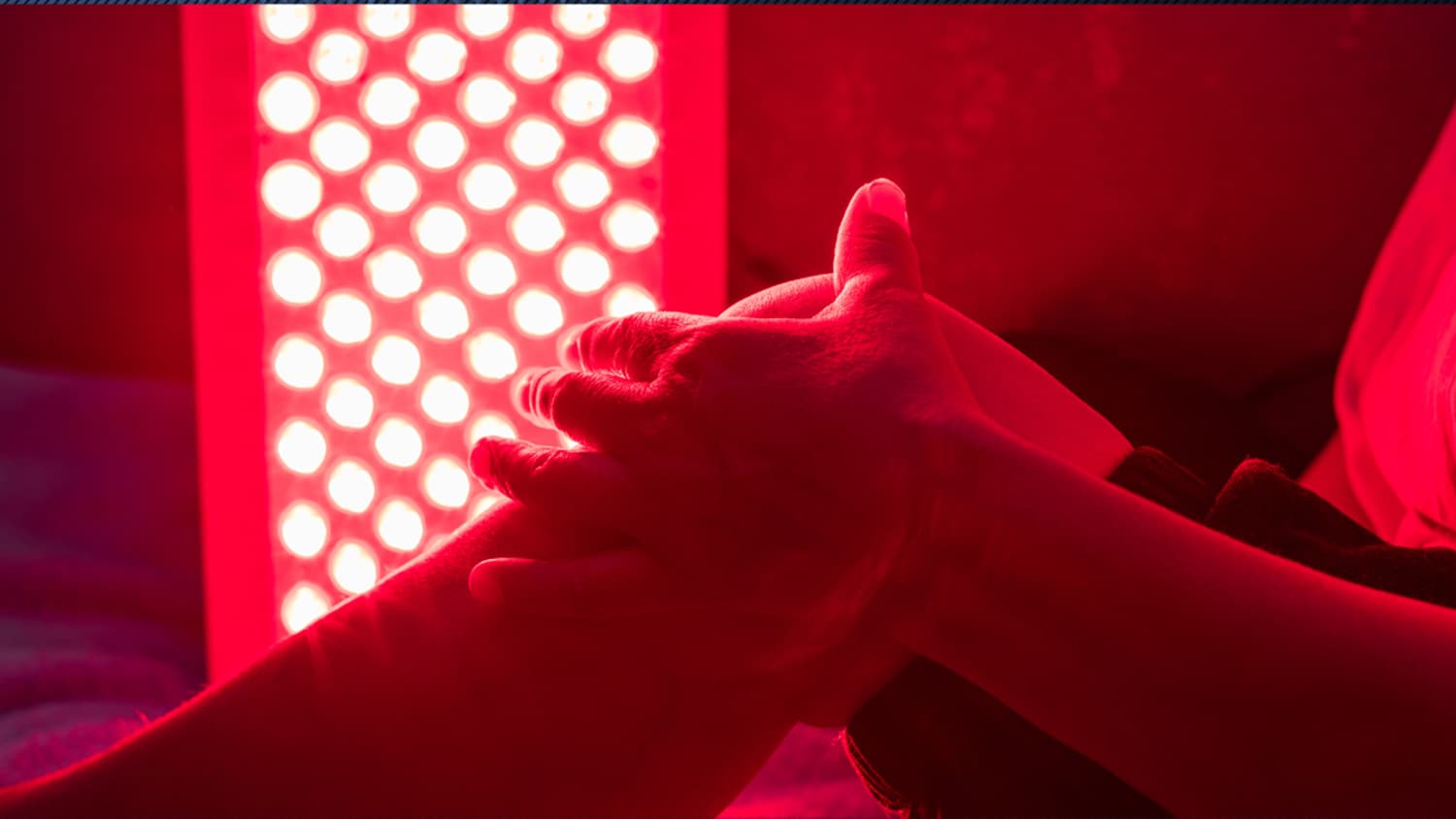
What transcranial red and near-infrared light studies have tested, which findings are preliminary, and why device and treatment claims need care.

Brain fog has many possible causes. Understand the patterns worth tracking, the limits of brain maps, and when a medical evaluation matters.
Live Q&A sessions from Neurofeedback & Chill where Dr. Hill demonstrates protocols, answers viewer questions, and explores brain health applications in real-time with QEEG examples and brain training discussions.

A new July 2026 brain imaging study found older appearing structural MRI patterns in groups with alcohol use disorder, tobacco use disorder, or both. That is a real result, though not proof that addiction adds a fixed number of years to a person's brain. In this video, we will explore what the researchers actually measured, why pleasure can shift into relief, and how the brain can learn to need a state that a substance or behavior once supplied easily. The episode also marks the release of my new book *Borrowed Peace: The Recovery Guide for Brains That Self-Medicate*. Available now: https://www.amazon.com/Borrowed-Peace-Recovery-Self-Medicate-Different/dp/1971402028/ 🧠 KEY TAKEAWAYS: • Brain age is a model based on structural MRI patterns rather than a literal biological clock • The July study found group differences in alcohol and tobacco use disorders, but it cannot establish causation • The addiction samples were much smaller than the healthy training sample • As dependence develops, reward can weaken while stress and withdrawal systems become more reactive • Wanting and liking can separate • Self medication is one of several pathways into problematic use • Moderation and abstinence are clinical decisions shaped by substance, severity, safety, history, preference, and outcome • Sudden alcohol withdrawal after prolonged heavy drinking can be dangerous and may require medical care 📚 SECTIONS,: • The new brain aging result • What a brain age model can and cannot say • Why pleasure can become relief • Wanting after liking fades • What self medication gets right and wrong • The case for an honest menu of recovery goals • A practical regulation audit • What recovery can build • Live Q and A KEY RESEARCH CITED: • Liang et al. (2026). Brain aging patterns among nine neurological disorders: A case-control study. PLOS Medicine. DOI: 10.1371/journal.pmed.1004860 • Vendruscolo and Koob (2026). Neurobiology of negative reinforcement as a driving force in alcohol addiction. Neuron. DOI: 10.1016/j.neuron.2026.04.038 • Robinson and Berridge (2025). The Incentive-Sensitization Theory of Addiction 30 Years On. Annual Review of Psychology. DOI: 10.1146/annurev-psych-011624-024031 • Peart and Murray (2026). What's next for interoception and addiction? Neuroscience and Biobehavioral Reviews. DOI: 10.1016/j.neubiorev.2026.106875 • Bowen et al. (2014). Mindfulness-based relapse prevention, relapse prevention, and treatment as usual for substance use disorders. JAMA Psychiatry. DOI: 10.1001/jamapsychiatry.2013.4546 RESOURCES: 🧠 Peak Brain Institute: https://peakbraininstitute.com 🌐 Remote Neurofeedback: https://peakbraininstitute.com/remote-neurofeedback-programs 📖 Borrowed Peace: https://www.amazon.com/Borrowed-Peace-Recovery-Self-Medicate-Different/dp/1971402028/ 🍷 NIAAA Alcohol Treatment Navigator: https://alcoholtreatment.niaaa.nih.gov 🆘 FindTreatment.gov: https://findtreatment.gov #Addiction #BrainHealth #AlcoholUseDisorder #NicotineAddiction #Recovery #Neuroscience #WellnessMonth #BorrowedPeace #DrAndrewHill #NeurofeedbackAndChill

Scientists have reported microplastics in human blood, lungs, arterial plaques, and even the brain. Then a 2026 laboratory study found that ordinary nitrile and latex gloves can deposit thousands of particles that standard instruments misidentify as polyethylene. A second measurement problem is even stranger: fatty human tissue can produce the same chemical fragments as plastic when it is heated for analysis. So is the entire microplastics story wrong? Probably not completely. But the field has been collapsing four separate claims into one: exposure, detection, accumulation, and harm. Tonight I separate those claims, show which human findings survive the new criticism, and examine the emerging market for plasma exchange, supplements, and other supposed microplastic detoxes. The real story is neither "plastic is poisoning every brain" nor "it was all the gloves." It is a young field trying to measure an almost impossibly contaminable target. 🧠 KEY TAKEAWAYS: • The 2026 glove study is real, but it does not erase every microplastic finding. It most directly undermines small particles identified as polyethylene by spectral matching • A separate problem affects pyrolysis testing: fats and waxes can generate polyethylene-like chemical fragments, especially in lipid-rich tissue such as the brain • Human exposure is certain and tissue deposition is probable. The most credible signals come from larger, non-polyethylene particles found above procedural blanks in lungs and olfactory tissue • Detection is not the same as accumulation, and accumulation is not the same as demonstrated harm • No treatment has been shown to remove microplastics from human tissues or improve health by doing so • Plasma exchange is an interesting experiment, not a validated detox. In the newest study, the plastic tubing apparently added particles to people who started with low readings • Reducing exposure is more evidence-grounded than trying to extract particles after they enter the body 📚 SECTIONS: • Four claims hiding inside one frightening headline • The glove error that fooled three major testing methods • The human evidence that survives the criticism • What the brain and dementia findings can and cannot show • Can plasma exchange, chitosan, blood donation, or sauna remove plastic? • What is reasonable to do while the science catches up? • Live Q&A KEY RESEARCH CITED: • Clough et al. (2026). Dry nitrile and latex glove contact produced a mean of approximately 2,000 microplastic false positives per square millimeter. Analytical Methods. DOI: 10.1039/D5AY01801C • Witzig et al. (2020). Stearates and fatty acids from ten disposable gloves were misidentified as polyethylene using Raman, FTIR, and pyrolysis-GC/MS. Environmental Science & Technology. DOI: 10.1021/acs.est.0c03742 • Tan et al. (2026). Biological fatty acids and wax produced polyethylene-like pyrolysis products and false-positive PE identifications. Microplastics and Nanoplastics. DOI: 10.1186/s43591-026-00185-6 • Jenner et al. (2022). Microplastics were detected above procedural blanks in 11 of 13 human lung samples. Science of the Total Environment. DOI: 10.1016/j.scitotenv.2022.154907 • Amato-Lourenço et al. (2024). Sixteen particles or fibers, mostly polypropylene, were detected in the olfactory bulbs of 8 of 15 decedents. JAMA Network Open. DOI: 10.1001/jamanetworkopen.2024.40018 • Nihart et al. (2025). Reported increasing microplastic concentrations in decedent human brains, with higher readings in dementia samples. Nature Medicine. DOI: 10.1038/s41591-024-03453-1 • Weinstein et al. (2026). Plasma exchange reduced proprietary blood-test readings at high starting levels but increased them at low starting levels, apparently because of plastic tubing. Journal of Clinical Apheresis. DOI: 10.1002/jca.70135 RESOURCES: 📞 Book a free consultation: https://calendly.com/drhill1 🧠 Peak Brain Institute: https://peakbraininstitute.com 🌐 Remote Neurofeedback: https://peakbraininstitute.com/remote-neurofeedback-programs 📖 Dr. Hill's articles: https://www.andrewhillphd.com/articles #Microplastics #Nanoplastics #BrainHealth #Neuroscience #Dementia #Detox #Neurofeedback #DrAndrewHill #NeurofeedbackAndChill #HealthResearch #ScienceNews

This week on Neurofeedback & Chill we're covering research that completely reframes how we should think about dementia prevention. Turns out the roots of cognitive decline at 70 trace back to your brain at 11. Or younger. Maybe even prenatal exposures. New studies show that cognitive ability in childhood is a stronger predictor of late-life function than the rate of decline in old age. And brain scans reveal damage patterns more closely tied to early-life risk factors than current lifestyle. This changes everything about how we approach neurofeedback, QEEG mapping, and brain optimization. I'll break down: - Why 45% of dementia is preventable (and when prevention should actually start) - The 14 modifiable risk factors across the lifespan - What 25,000+ brain maps tell me about building resilient brains - Whether the "Gifted & Tortured" phenotypes have different dementia risk profiles - How early neurofeedback training might build cognitive reserve for decades Research: https://www.sciencealert.com/the-roots-of-dementia-trace-back-all-the-way-to-childhood-experts-find Plus your AMA questions. ⏰ Live at 6pm Pacific 👉 *New website resource:* http://andrewhillphd.com 👉 *Book a free consult call:* https://calendly.com/drhill1 This is an interactive stream—bring your questions about brain patterns, neurofeedback, phenotypes, or anything brain-related. Whether you're new to neuroscience or a seasoned biohacker, all levels welcome!

Ever notice how everything feels like your fault... but you're somehow powerless to fix any of it? This stream unpacks the brain mechanisms behind that specific torture: → Why sensitive brains auto-tag everything as "about me" (rTPJ / Princess & the Pea) → How agency circuits get trained to expect failure → Why you end up both hyper-responsible and frozen We'll break down three questions your brain is always asking: Is this about me? (self vs. world, right TPJ) Can I actually do anything here? (agency, control) What usually happens when I try? (predictions shaped by history) And how those three get wired together into patterns like: "Everything is my fault and I'm powerless" (Gifted & Tortured) "Some of this is mine, I can act, it might be okay" (calibrated agency) I'll share what this looks like in brain maps, connect it to the neurofeedback work I do, and talk about how small behavioral experiments can help you keep your sensitivity and nuance without getting stuck in learned helplessness. Live Q&A as always. ⏰ Live at 6pm Pacific 👉 Prerelease book interest: https://andrewhillphd.com/gifted-and-tortured-book-pre-release-interest/ 👉 *Black Friday / Cyber Monday* QEEG & Neurofeedback Specials :https://www.peakbrain.global/black-friday 👉 *Book a free consult call:* https://calendly.com/drhill1 This is an interactive stream—bring your questions about brain patterns, neurofeedback, phenotypes, or anything brain-related. Whether you're new to neuroscience or a seasoned biohacker, all levels welcome!

How Quickly? And how does meditation change your brain?? 💡 WHAT YOU'LL LEARN: ✓ Why your first meditation session creates measurable brain changes ✓ The "8-week rule" for consistent functional benefits ✓ How expert meditators' brains work fundamentally differently (ACC shift) ✓ The minimum "dose" for real brain changes ✓ Why combining meditation with exercise is optimal ✓ Practical timeline for expecting results 📅 When: Tonight at 6 PM Pacific 📌 Subscribe and hit the notification bell so you don't miss future episodes! Can't make it live? Drop your questions in the comments, and I'll try to address them during the stream or later one. The replay will be available afterward. #Neurofeedback #Biohacking #BrainTraining #HealthOptimization #AMA #BrainHealth #Meditation #Aging 💬 Drop your questions in the comments—let's explore brain health together! 👉 Watch LIVE: Mondays 6pm Pacific 📺 YouTube.com/DrHill 👉 Ready to optimize your brain? https://peakbraininstitute.com/brain-training/neurofeedback/ 👉 Book a consult: https://calendly.com/drhill1 👉 Book a discount QEEG: https://peakbraininstitute.com/special/ Key Citations: • Lazar et al. (2005) - First evidence meditation increases cortical thickness: https://doi.org/10.1097/01.wnr.0000186598.66243.19 • Hölzel et al. (2011) - 8 weeks causes structural changes: https://doi.org/10.1016/j.pscychresns.2010.08.006 • Maher et al. (2025) - First meditation session changes deep brain activity: https://doi.org/10.1073/pnas.2409423122 • Jinich-Diamant et al. (2025) - 7-day retreat produces whole-system changes: https://doi.org/10.1038/s42003-025-09088-3 • Kral et al. (2022) - Large study challenges 8-week structural change claims: https://doi.org/10.1126/sciadv.abk3316 • Tang et al. (2010, 2012) - White matter changes in 2-4 weeks: https://doi.org/10.1073/pnas.1011043107 • Fox et al. (2014) - Meta-analysis of brain changes: https://doi.org/10.1016/j.neubiorev.2013.12.008 • Brefczynski-Lewis et al. (2007) - Expertise shows inverted-U in attention networks • Klimecki et al. (2014) - Compassion training recruits ventral ACC circuits

Can music habits protect your brain? And can EEG brainwaves help spot dementia early? We break down new research (listening vs playing), EEG biomarkers (AD vs FTD vs LBD), and where neurofeedback fits. 👉 Book a free consult call: https://calendly.com/drhill1 In this video we unpack two fresh threads in aging research— 1. how music engagement (listening & playing) relates to lower dementia risk, and 2. the EEG brainwave “fingerprints” that may help distinguish dementia types earlier (Alzheimer’s vs FTD vs Lewy body). We’ll decode the science without the jargon, show how these findings fit into brain health & neurofeedback, and take your live questions. Expect practical takeaways, a little myth-busting, and a fun “scientist-with-secrets” vibe. What we’ll cover • The new music–dementia findings: listening vs playing—what looks most protective and why. • How music may build cognitive reserve (multi-network activation, attention/emotion/memory effects). • EEG 101 for dementia: alpha slowing, posterior rhythms, connectivity, and what emerging AI models are finding. • Where neurofeedback or PBM fits (and where it doesn’t): possibilities, limits, and next steps. • Live Q&A Who this is for: curious minds, caregivers, clinicians-in-training, brain hackers, and anyone who loves the idea that playlists and brainwaves might actually tell us something helpful. ⚠️ Disclaimer: This stream is for education and is not medical advice. Talk with your clinician before making changes. ⸻ 🧠 References: • Jaffa, E., Wu, Z., Owen, A., Zaw Phyo, A. A., Woods, R. L., Orchard, S. G., Chong, T. T.-J., Shah, R. C., Murray, A., & Ryan, J. (2025). What is the association between music-related leisure activities and dementia risk? A cohort study. International Journal of Geriatric Psychiatry. Advance online publication. https://doi.org/10.1002/gps.70163 • Jungrungrueang, T., Chairat, S., Rasitanon, K., Limsakul, P., & Charupanit, K. (2025). Translational approach for dementia subtype classification using convolutional neural network based on EEG connectome dynamics. Scientific Reports, 15(1), Article 17331. https://doi.org/10.1038/s41598-025-02018-7 ⸻ 📅 Live 6 PM Pacific Mondays Subscribe and hit the bell 🔔 for weekly science‑backed brain updates. ⸻ 🧠 RESOURCES 👉 Book a free consult: https://calendly.com/drhill1 👉 $250 off QEEG Brain Mapping: https://peakbraininstitute.com/special/ ⸻ Relevant Topics: #Neurofeedback #EEG #Dementia #Alzheimers #BrainHealth #MusicTherapy #CognitiveReserve #Neuroscience #Aging #Longevity #FTD #LewyBodyDementia #Attention #Focus #Neurofeedback #QEEG #BrainTraining #ExecutiveFunction #Neuroplasticity #BrainOptimization #PeakBrain

👉 Book a free consult call: https://calendly.com/drhill1 Where is that sound coming from?? Tinnitus, Misophonia, & Earworms In this episode, we explore how the brain creates (and sometimes traps) sounds that aren’t really “there.” We’ll look at how QEEG reveals auditory and non-auditory cortical patterns linked to these phenomena, what they have in common, and how neurofeedback can help quiet the noise. ⸻ 🎥 What’s inside this video: • QEEG patterns behind tinnitus, earworms, and sound sensitivity • Why auditory cortex isn’t the only culprit — limbic and default mode network areas may matter too • How stress and attention loops feed phantom sounds • What differentiates earworms (musical replay) from tinnitus (tone) and misophonia (aversive response) • How neurofeedback targets the brain’s “gain” control on these featuers ⸻ 🧠 Key Takeaways: • “Phantom” sounds often reflect overactive prediction and sensory integration networks, not ear damage. • Misophonia and tinnitus share emotional-cortical hypercoupling patterns — the brain’s alarm system reacts to sound. • QEEG-guided neurofeedback can calm hyperreactivity in temporal and limbic circuits. • Auditory relief often emerges when the whole sensory regulation system improves. ⸻ 💬 Questions to consider: • Do certain sounds feel unbearable or stick in your head? • Have you noticed tinnitus change with stress or fatigue? • What’s helped you “turn down” internal noise — mindfulness, sleep, or sound therapy? Share your experience in the comments — I may feature it in a future episode on sensory integration and emotional regulation. ⸻ 📅 Live 6 PM Pacific Mondays Subscribe and hit the bell 🔔 for weekly science-backed brain updates. ⸻ 🧠 RESOURCES 👉 Book a free consult: https://calendly.com/drhill1 👉 $250 off QEEG Brain Mapping: https://peakbraininstitute.com/special/ ⸻ Relevant Topics: tinnitus, misophonia, earworms, neurofeedback, QEEG, auditory cortex, limbic system, brain training, brain mapping, plasticity, sound sensitivity, auditory hallucinations, emotional regulation, sensory processing Tags: #Neurofeedback #Tinnitus #QEEG #BrainTraining #Neuroplasticity #PeakBrain #Misophonia #Earworms #BrainOptimization

👉Book a free consult call: https://calendly.com/drhill1 Can high-dose B vitamins slow brain shrinkage in aging? A landmark study says yes—but only if you already have enough omega-3 fatty acids on board. https://www.sciencedirect.com/science/article/pii/S0002916523277655?via%3Dihub What’s inside this video: • The VITACOG trial: 168 older adults with mild cognitive impairment, randomized to folate, B-6, and B-12 vs placebo for 2 years. • Results: Brain atrophy slowed by ~40% but only in those with high baseline omega-3 DHA/EPA. • Why this matters mechanistically: B-vitamins → methylation & homocysteine control; omega-3s → membrane structure and signaling. Together they enable neuroprotection. • How this connects to our last video: UC Irvine’s nicotinamide + EGCG paper showed that context (redox + NAD) determines whether autophagy “cleanup” pathways run. VITACOG reinforces that nutrients rarely work in isolation. • Implications for NAD boosters like nicotinamide riboside: Human studies show NR raises brain NAD, but responses vary—likely depending on cofactors like methyl donors, omega-3s, and redox state. Key takeaways: • Nutritional interventions are context-dependent. • Synergy (B vitamins + omega-3s, or NR + Nrf2 support) matters more than single nutrients. • Translation into humans requires stratification: the “responders vs non-responders” story is central. 👉 The VITACOG trial found 40% less brain atrophy in people with mild cognitive impairment who took high-dose B vitamins—but only if their baseline omega-3 levels were high. No omega-3s, no effect. That’s a striking reminder that nutrients rarely work in isolation. The metabolic context matters. So I’m curious: • Do you know your omega-3 status (fish intake, blood test, supplements)? • How do you think this kind of synergy applies to other interventions—like NAD boosters (NR, NAM) or Nrf2 modulators (EGCG)? Drop your thoughts below—I’ll highlight the most interesting ones in a future video on how to design stacks rather than chase silver bullets. Note: Educational only. Not medical advice. If this is helpful, please like, subscribe, and share. Questions? Drop them in the comments—I read them all. ⏰ Live 6 PM Pacific Mondays Subscribe and hit the bell for weekly brain health updates! 🧠 RESOURCES 🧠 👉Book a free consult call: https://calendly.com/drhill1 👉$250 off QEEG Brain Mapping at Peak Brain: https://peakbraininstitute.com/special/ 💡Whether you're a biohacking enthusiast, longevity seeker, or just curious about optimizing your health, this episode packs actionable insights backed by the latest research . B vitamins, folate, B6, B12, omega-3, DHA, EPA, VITACOG, brain atrophy, MCI, Alzheimer’s prevention, NAD, nicotinamide, nicotinamide riboside, EGCG, autophagy, brain shrinkage, neuroprotection, nutrient synergy, neurodegeneration, clinical trial, nutrition science #BrainHealth #Bvitamins #Omega3 #NAD #Neuroprotection #ClinicalTrials

👉Book a free consult call: https://calendly.com/drhill1 A new UC Irvine paper reports that nicotinamide (vitamin B3) + EGCG (green tea catechin) restored neuronal GTP and mobilized endocytosis/lysosomal autophagy—clearing intraneuronal Aβ aggregates in aged/AD‑model neurons after just 24 hours in vitro. Today I’ll translate that mechanism (GTP → Rab7/Arl8b vesicle traffic) for humans, then triangulate it with human NAD‑axis data—including NR brain MRS studies and a Phase 2a AD trial of high‑dose nicotinamide—to build a realistic framework for what might (and might not) generalize from dish/mouse to people Key human anchors we’ll use: • NR raises brain NAD in humans: ^31P‑MRS in Parkinson’s (NADPARK, 1 g/day, 30 days) and downfield ^1H‑MRS in healthy volunteers (single 900 mg dose).  • High‑dose nicotinamide in early AD (NEAT): safe, no significant CSF p‑Tau231 reduction at 48 weeks (3 g/day); PK/PD shows heavy methylation to MeNAM and CSF NAM quantifiable in only ~32%—a big translational clue.   • Older adults crossover trial: oral NR (1 g/day for 6 weeks) increased NAD in neuron‑enriched extracellular vesicles and reduced NEV Aβ42—biomarkers plausibly linked to brain processes.  • BBB & transport: Equilibrative nucleoside transporters (ENTs) at the brain endothelium are a plausible entry route for ribosides; ENT2 has been functionally implicated in BBB transport.  • EGCG safety: EFSA’s 2018 evaluation and the UK COT (2024) update caution about hepatotoxicity at high supplemental doses, with ≤800 mg/day EGCG generally considered the upper bound without signal in supervised settings.   Key takeaways (for sophisticated viewers) • Mechanism: The UCI work spotlights neuronal GTP availability as a rate‑limiter for vesicle trafficking/autophagy; NAM + EGCG rescued GTP and “clearing” pathways in vitro—a different lever than classic ATP narratives.  • Translation hinge: In humans, raising brain NAD is feasible (NR studies), but turning that into sustained neuronal mtGTP and higher Rab7/Arl8b traffic is unproven; any effect likely depends on exposure profile at the BBB and in neurons, not just total daily dose.  • NAM vs. NR: NEAT shows safe 3 g/day NAM but no primary biomarker win and significant methylation to MeNAM with low/variable CSF NAM—suggesting delivery & metabolism, not target biology per se, may be the bottleneck.   • Safety reality: For EGCG, tea intake is different from high‑dose extracts; regulatory reviews keep ≤800 mg/day EGCG as a practical ceiling for supplemental use, with idiosyncratic hepatotoxicity risk above that. This video is not medical advice.   REFERENCES (live links) UCI press release on GeroScience paper (Aug 6, 2025): https://news.uci.edu/2025/08/06/uc-irvine-researchers-find-combination-of-natural-compounds-for-brain-cleaning/ Santana et al., GeroScience (2025) – NAM + EGCG restore neuronal GTP & autophagy: https://pubmed.ncbi.nlm.nih.gov/40751793/ https://link.springer.com/article/10.1007/s11357-025-01786-4 Grill et al., NEAT Phase 2a (Neurology, 2025) – Nicotinamide 3 g/day in early AD: https://pubmed.ncbi.nlm.nih.gov/39671543/ Ketron et al., PK/PD from NEAT (Alzheimer’s Research & Therapy, 2025) – CSF NAM & MeNAM: https://pmc.ncbi.nlm.nih.gov/articles/PMC11895359/ Brakedal et al., NADPARK (Cell Metabolism, 2022) – NR raises brain NAD by 31P‑MRS: https://pubmed.ncbi.nlm.nih.gov/35235774/ Nanga et al., MRM (2024) – Acute 900 mg NR raises human brain NAD by DF‑1H MRS: https://pubmed.ncbi.nlm.nih.gov/39044608/ Vreones et al., Aging Cell (2023) – NR in older adults: ↑NEV NAD, ↓NEV Aβ42: https://pmc.ncbi.nlm.nih.gov/articles/PMC9835564/ Rab7/Arl8b in late endosome–lysosome traffic: https://pmc.ncbi.nlm.nih.gov/articles/PMC5040976/ https://www.nature.com/articles/s41467-024-44957-1 TCA cycle GTP step (SCS): https://www.jbc.org/article/S0021-9258(22)01281-9/fulltext ENT2 and BBB transport: https://pmc.ncbi.nlm.nih.gov/articles/PMC8410084/ EGCG safety – EFSA opinion (2018) & UK COT statement (2024): https://pmc.ncbi.nlm.nih.gov/articles/PMC7009618/ https://cot.food.gov.uk/sites/default/files/2024-11/COT%2008.2024%20-%20Statement%20on%20the%20hepatotoxicity%20of%20green%20tea%20catechins_Lay%20summary_FINAL%20%28003%29.pdf -- Note: Educational only. Not medical advice. If this is helpful, please like, subscribe, and share. Questions? Drop them in the comments—I read them all. ⏰ Live 6 PM Pacific Mondays Subscribe and hit the bell for weekly brain health updates! 🧠 RESOURCES 🧠 👉Book a free consult call: https://calendly.com/drhill1 👉$250 off QEEG Brain Mapping at Peak Brain: https://peakbraininstitute.com/special/ 💡Whether you're a biohacking enthusiast, longevity seeker, or just curious about optimizing your health, this episode packs actionable insights backed by the latest research . #NAD #Nicotinamide #NR #EGCG #Alzheimers #Parkinsons #Autophagy #MRS #BrainHealth #Neuroscience

👉Book a free consult call: https://calendly.com/drhill1 Recent studies suggest the brain naturally uses tiny amounts of lithium—and that amyloid plaques may sequester it, potentially triggering Alzheimer’s. In this video I break down the proposed mechanisms (GSK‑3β, BACE1, neuroinflammation), why micro‑doses and “plaque‑evasive” formulations (e.g., lithium orotate) showed promise in animal models, what human data suggest so far, and whether lithium looks preventative, therapeutic, or both. Clear takeaways, no hype, and what to watch for in upcoming clinical trials. Studies mentioned: Core new paper (mechanism + LO in mice): Aron L., et al. Lithium deficiency and the onset of Alzheimer’s disease. Nature (2025). https://pubmed.ncbi.nlm.nih.gov/40770094/ Human clinical trials • Nunes M.A., et al. Microdose lithium treatment stabilized cognitive impairment in patients with Alzheimer’s disease. Curr Alzheimer Res (2013). https://pubmed.ncbi.nlm.nih.gov/22746245/ • Forlenza O.V., et al. Disease‑modifying properties of long‑term lithium treatment for amnestic MCI (12‑month RCT). Br J Psychiatry (2011). https://pubmed.ncbi.nlm.nih.gov/21525519/ • Forlenza O.V., et al. Clinical and biological effects of long‑term lithium treatment for amnestic MCI (extended follow‑up). Br J Psychiatry (2019). https://pubmed.ncbi.nlm.nih.gov/30947755/ • Damiano R.F., et al. Revisiting global cognitive and functional state 13 years after an RCT of lithium for aMCI. Int Psychogeriatr (2023). https://pubmed.ncbi.nlm.nih.gov/36786725/ (Free full text: https://pmc.ncbi.nlm.nih.gov/articles/PMC9976922/) Preclinical microdose formulations • Wilson E.N., et al. BACE1 inhibition by microdose lithium formulation NP03 rescues memory loss and early amyloid neuropathology. Transl Psychiatry (2017). https://pubmed.ncbi.nlm.nih.gov/28763060/ • Nunes M.A., et al. Chronic microdose lithium prevented memory loss in a transgenic AD model. J Alzheimers Dis (2015). https://pubmed.ncbi.nlm.nih.gov/26605788/ Population data (context) • Kessing L.V., et al. Association of lithium in drinking water with incidence of dementia (Denmark). JAMA Psychiatry (2017). https://pubmed.ncbi.nlm.nih.gov/28832877/ • Velosa J., et al. Risk of dementia in bipolar disorder and lithium’s protective association (meta‑analysis). Acta Psychiatr Scand (2020). https://pubmed.ncbi.nlm.nih.gov/31954065/ Review on use in psych conditions, in r"low dose", compared to typical psych interventions https://www.psychiatrictimes.com/view/low-dose-lithium-a-new-frontier-in-mental-health-treatment -- Note: Educational only. Not medical advice. Don’t start lithium without talking to your clinician. If this is helpful, please like, subscribe, and share. Questions? Drop them in the comments—I read them all. #Alzheimers #Lithium #BrainHealth #Neuroscience #DementiaResearch ⏰ Live 6 PM Pacific Mondays Subscribe and hit the bell for weekly brain health updates! CONNECT: 💬 Chat with us live during the stream 📧 Questions? Drop them in the comments 🔔 Turn on notifications for upcoming streams 🧠 RESOURCES 🧠 👉Book a free consult call: https://calendly.com/drhill1 👉$250 off QEEG Brain Mapping at Peak Brain: https://peakbraininstitute.com/special/ 💡Whether you're a biohacking enthusiast, longevity seeker, or just curious about optimizing your health, this episode packs actionable insights backed by the latest research . neurofeedback, brain health, anti-aging, meditation, biological age, cognitive decline, longevity, brain training, EEG, mindfulness, digital technology seniors, music therapy, nature therapy, Harvard meditation study, neuroscience, brain optimization, live stream, Dr Hill, chill stream, relaxing educational content, 2025 research, cognitive function, memory improvement, stress reduction, healthy aging

Get QEEG Special: https://peakbraininstitute.com/special/ Book free discovery call: https://calendly.com/drhill1 Join Discord Neurofeedback server: https://discord.gg/244cJFft Read Neurofeedback Subreddit https://www.reddit.com/r/Neurofeedback/ Join me tonight for this week's Neurofeedback & Chill as we dive deep into the complex world of cortical organization! 🧠 Everyone asks "what part of the brain does X?" - but the reality is far more fascinating. Your brain doesn't work in isolated regions; it's an interconnected network of hubs, phenotypes, and triple networks working in harmony. In this episode, we explore: ✓ What QEEG actually reveals about your brain ✓ Understanding cortical hubs and their connections ✓ Your unique brain phenotypes ✓ Primary vs. associative cortical regions ✓ The mystery of the triple networks Whether you're a neurofeedback practitioner, biohacker, or just brain-curious, this livestream breaks down complex neuroscience into digestible insights. 🔴 LIVE every Monday at 6pm PT 🧠 Learn more about neurofeedback training 💬 Bring your questions for our Q&A segment CONNECT: 💬 Chat with us live during the stream 📧 Questions? Drop them in the comments 🔔 Turn on notifications for upcoming streams 🧠 RESOURCES 🧠 👉Book a free consult call: https://calendly.com/drhill1 👉$250 off QEEG Brain Mapping at Peak Brain: https://peakbraininstitute.com/special/ neurofeedback, brain health, anti-aging, meditation, biological age, cognitive decline, longevity, brain training, EEG, mindfulness, digital technology seniors, music therapy, nature therapy, Harvard meditation study, neuroscience, brain optimization, live stream, Dr Hill, chill stream, relaxing educational content, 2025 research, cognitive function, memory improvement, stress reduction, healthy aging

Get QEEG Special: https://peakbraininstitute.com/special/ Join Discord Neurofeedback server link: https://discord.gg/244cJFft Read Neurofeedback Subreddit https://www.reddit.com/r/Neurofeedback/ Join me for another relaxed weekly session where we dive into all things neurofeedback, brainwaves, and optimization! Tonight we're keeping it chill and going with the flow. What we might cover: - QEEG brain mapping insights - Neurofeedback tips and techniques - Biohacking strategies for better brain health - ADHD, aging, and neuroscience Q&A - Your questions and topics! This is an interactive stream - bring your questions about brainwaves, neurofeedback, or anything brain-related. Whether you're new to neurofeedback or a seasoned practitioner, all levels welcome! ⏰ Live every Monday at 6 PM Pacific Drop your questions in the chat and let's explore the fascinating world of neuroscience together. Perfect background viewing while you wind down your day. #Neurofeedback #Brainwaves #QEEG #Biohacking #Neuroscience #LiveStream #BrainOptimization 🔴 LIVE EVERY MONDAY 6PM PT Subscribe and hit the bell for weekly brain health updates! CONNECT: 💬 Chat with us live during the stream 📧 Questions? Drop them in the comments 🔔 Turn on notifications for upcoming streams 🧠 RESOURCES 🧠 👉Book a free consult call: https://calendly.com/drhill1 👉$250 off QEEG Brain Mapping at Peak Brain: https://peakbraininstitute.com/special/ 💡Whether you're a biohacking enthusiast, longevity seeker, or just curious about optimizing your health, this episode packs actionable insights backed by the latest research . neurofeedback, brain health, anti-aging, meditation, biological age, cognitive decline, longevity, brain training, EEG, mindfulness, digital technology seniors, music therapy, nature therapy, Harvard meditation study, neuroscience, brain optimization, live stream, Dr Hill, chill stream, relaxing educational content, 2025 research, cognitive function, memory improvement, stress reduction, healthy aging

🧠 Join me LIVE for another relaxing Neurofeedback & Chill session as we dive into the latest groundbreaking research being highlighet in news articles, highlighting strategies to reverse biological age and optimizing brain health! Tonight we're covering 5 fascinating studies from this week that show how simple lifestyle changes can literally turn back the clock on your brain: 🔬 WHAT YOU'LL LEARN: - Why seniors using smartphones have 58% lower dementia risk - Which musical activities boost memory and problem-solving - How a Stanford researcher reversed his biological age by a decade - The Harvard study showing meditation makes brains 6 years younger - Practical tips you can start implementing today! 💡 PERFECT FOR: - Anyone interested in brain optimization and longevity - Those curious about neurofeedback and meditation - People looking for science-backed anti-aging strategies 📚 RESEARCH SOURCES: All studies from May 2025 🔴 LIVE EVERY MONDAY 6PM PT Subscribe and hit the bell for weekly brain health updates! CONNECT: 💬 Chat with us live during the stream 📧 Questions? Drop them in the comments 🔔 Turn on notifications for upcoming streams 🧠 RESOURCES 🧠 👉Book a free consult call: https://calendly.com/drhill1 👉$250 off QEEG Brain Mapping at Peak Brain: https://peakbraininstitute.com/special/ 🧠 Citations in the News🧠 Digital Technology Study Washington Post, May 26, 2025 https://www.washingtonpost.com/wellness/2025/05/26/seniors-digital-technology-cognitive-impairment/ Musical Engagement Study New York Post, May 25, 2025 https://nypost.com/2025/05/25/health/want-to-keep-your-mind-sharp-as-you-age-try-this-activity/ Nature-Immersed Lifestyle Business Insider, May 24, 2025 https://www.businessinsider.com/longevity-researcher-lived-in-the-forest-lowered-his-biological-age-2025-5 Advanced Yogic Meditation India Today, May 22, 2025 https://www.indiatoday.in/education-today/news/story/brain-age-59-years-younger-in-samyama-sadhana-meditators-finds-harvard-study-2728672-2025-05-22 Long-Term Meditation Benefits ScienceAlert, April 7, 2025 https://www.sciencealert.com/long-term-meditation-may-reduce-stress-and-aging-study-suggests SUBSCRIBE for weekly neuroscience content that helps you understand and optimize your unique brain! #ADHD #Neurofeedback #ADHDScience #BrainScience #Neurodiversity #NeurofeedbackAndChill #ADHDAwareness #EvolutionaryPsychology #ADHDSuperpowers #LiveStream #ADHDStrengths #Biohacking #Neuroscience 💡Whether you're a biohacking enthusiast, longevity seeker, or just curious about optimizing your health, this episode packs actionable insights backed by the latest research . neurofeedback, brain health, anti-aging, meditation, biological age, cognitive decline, longevity, brain training, EEG, mindfulness, digital technology seniors, music therapy, nature therapy, Harvard meditation study, neuroscience, brain optimization, live stream, Dr Hill, chill stream, relaxing educational content, 2025 research, cognitive function, memory improvement, stress reduction, healthy aging

🧠 NEW RESEARCH REVEALS: Your Brain Has a Critical "Tipping Point" at Age 44 Scientists at Stony Brook University have discovered that brain aging follows a precise S-curve with specific transition points—and the first critical change happens decades earlier than previously thought. In this video, we explore groundbreaking research published in PNAS on March 10, 2025, showing how your brain's metabolic health begins declining at age 44, long before any cognitive symptoms appear. Learn why this happens, how neuronal insulin resistance creates an "energy crisis" in your brain, and why ketones might be the alternative fuel your aging brain desperately needs. Most importantly, discover why the ages 40-59 represent a critical intervention window where metabolic support yields maximum benefits—and why waiting until symptoms appear might be too late. This isn't just academic research—it's a roadmap for potentially transforming how we approach brain health and cognitive aging. Understanding this hidden timeline could significantly impact your cognitive future. 👉 KEY POINTS: - Brain aging follows a nonlinear S-shaped curve with transition points at ages 44, 67, and 90 - Neuronal insulin resistance prevents your brain from using glucose effectively - Ketones provide an alternative fuel source that bypasses insulin resistance - The midlife period (40-59) offers the maximum benefit from metabolic interventions This research collaboration includes scientists from Massachusetts General Hospital, Mayo Clinic, Oxford University, and Memorial Sloan Kettering. #BrainHealth #CognitiveDecline #NeuralAging #BrainResearch #Ketones #MetabolicHealth 💬 Drop your questions in the chat—let’s explore the brain together! 👉 Watch LIVE: Monday 6pm PT or check out the streams later! 📺 YouTube.com/DrHill #NeurofeedbackAndChill #WordFinding #BrainHacking #Neurofeedback #CognitiveEnhancement #Biohacking #Neurofeedback #AMA 👉 Read more: https://andrewhillphd.com/critical-aging-window-the-one-thing-that-ages-you-after-44/ https://news.stonybrook.edu/newsroom/press-release/medical/scientists-identify-critical-midlife-window-for-preventing-age-related-brain-decline/ https://www.pnas.org/doi/10.1073/pnas.2416433122 👉 Ready to optimize your brain? ttps://peakbraininstitute.com/brain-training/neurofeedback/ 👉 Book a consult: https://calendly.com/drhill1 👉 Book a discount QEEG: https://peakbraininstitute.com/special/

👉 👉 -- 🧠 BREAKING RESEARCH: Three new studies reveal critical insights for maintaining brain health as we age. Scientists have discovered that hearing loss significantly reduces brain signal variability, potentially accelerating cognitive decline. In groundbreaking research published March 23, 2025, in Frontiers in Aging Neuroscience, researchers found that older adults with hearing loss show decreased neural flexibility during speech recognition tasks—especially in noisy environments. This reduced flexibility directly correlates with worse cognitive performance and highlights why addressing hearing loss early could protect brain function. Meanwhile, a February 2025 study of nearly 8,000 adults revealed a powerful predictive marker that forecasts cognitive impairment with stunning accuracy. The atherogenic index of plasma (AIP)—calculated from triglycerides and HDL cholesterol—was associated with a 74% increased risk of cognitive problems for each one-unit increase. This discovery offers a practical way to identify those at risk years before symptoms appear and suggests that monitoring and improving your AIP could directly benefit long-term brain health. Finally, AI is revolutionizing Parkinson's diagnosis with 96-98% accuracy! The JAMA Neurology study published March 17, 2025, demonstrated that machine learning can differentiate Parkinson's from similar conditions using MRI data—outperforming traditional clinical diagnosis by 12.3%. This breakthrough promises faster, more accurate treatment for millions of aging adults. 👉 KEY POINTS: - Hearing loss reduces brain signal variability by disrupting neural flexibility, particularly in noisy environments - Higher AIP levels are linked to a 68% increased risk of cognitive impairment, offering a powerful predictive marker for future brain health - AI can now distinguish Parkinson's from similar conditions with up to 98% accuracy, offering hope for better treatment outcomes This research comes from leading institutions including Frontiers in Aging Neuroscience and JAMA Neurology. #BrainHealth #CognitiveHealth #NeurologicalResearch #HearingLoss #ParkinsonsDiagnosis #PredictiveMarkers 💬 Drop your questions in the comments—let's explore brain health together! 👉 Watch LIVE: Mondays 6pm Pacific 📺 YouTube.com/DrHill 👉 Read more: https://www.frontiersin.org/journals/aging-neuroscience/articles/10.3389/fnagi.2025.1498666/full 👉https://www.frontiersin.org/journals/aging-neuroscience/articles/10.3389/fnagi.2025.1506973/full 👉https://jamanetwork.com/journals/jamaneurology/fullarticle/2831631 👉 Ready to optimize your brain? ttps://peakbraininstitute.com/brain-training/neurofeedback/ 👉 Book a consult: https://calendly.com/drhill1 👉 Book a discount QEEG: https://peakbraininstitute.com/special/

⏰ 🧠 Neurofeedback & Chill: 7 New Mind Blowing Brain Cell Discoveries! 🔬 Your brain is home to some seriously weird and newly discovered cells—some that count your bites, others that store memories in unexpected ways, and even hybrids that break the neuron-glia rulebook! In this episode of Neurofeedback and Chill, we’re diving into five of the newest and wildest brain cell discoveries that are shaking up neuroscience. 🧠 What you’ll learn: • The newly found “ovoid cells” storing object memories 📸 • A brainstem neuron that literally counts your bites 🍽️ • Glia-neuron hybrid cells that shouldn’t exist… but do ⚡ • How newborn neurons in adults shape verbal memory 🗣️ • A hidden stem cell that might fuel brain tumors 🧬 • How membranes themselves may hold memories 📺 • The newly found cells that are only in humans 🧠 If you’re into neuroplasticity, cognition hacks, or just love geeking out on brain science, you don’t want to miss this! Let’s break down what these discoveries mean for memory, learning, and even biohacking. 💬 Drop your questions in the chat—let’s explore the brain together! 👉 Watch LIVE: Monday 6pm PT or check out the streams later! 📺 YouTube.com/DrHill #NeurofeedbackAndChill #WordFinding #BrainHacking #Neurofeedback #CognitiveEnhancement #Biohacking #Neurofeedback #AMA 👉 Read more: https://andrewhillphd.com/biohacking-guides/ https://peakbraininstitute.com/brain-training/neurofeedback/ 👉 Ready to optimize your brain? Book a consult: https://calendly.com/drhill1 👉 Book a discount QEEG: https://peakbraininstitute.com/special/

🧠 NEUROFEEDBACK & CHILL: Mom's Influence on Your Brain Your mother's influence goes far beyond parenting - she literally shaped your brain at the cellular level! In this episode of Neurofeedback & Chill, Dr. Hill explores the fascinating neuroscience behind maternal biological influence on brain development. From mitochondrial inheritance to X chromosome contributions, discover why certain cognitive and emotional traits follow maternal family lines and how your mother's pregnancy experience created lifelong patterns in your neural circuitry. 🧠 What you will learn: - Maternal Mitochondria: Your Brain's Power Source - The X Chromosome: Mom's Blueprint for Neural Circuits - Genetic Mosaicism: The Maternal-Paternal Brain Balance - X Reactivation: How Maternal Genes Protect the Aging Brain - Pregnancy Epigenetics: How Your Mother's Experience Programmed Your Brain - Conclusion & The Maternal Legacy 🔬 MENTIONED RESEARCH: Wallace (2013) on maternal mitochondrial inheritance Picard & McEwen (2018) on mitochondria and emotional regulation Davies et al. (2005) on X-linked genes and mental functioning Davis et al. (2019) on X chromosome and cognitive aging Bale (2015) on maternal epigenetic programming 💡Whether you're a biohacking enthusiast, longevity seeker, or just curious about optimizing your health, this episode packs actionable insights backed by the latest research - and Your Mom. #Neurofeedback #Biohacking #BrainTraining #HealthOptimization #AMA #BrainHealth #PerformanceOptimization #CognitiveEnhancement #MentalPerformance #StressReduction #SleepOptimization #FocusImprovement #NeuralRegulation #NeuroplasticityTraining #BrainWaves #EEGTraining #PeakPerformance 💬 Drop your questions in the comments—let's explore brain health together! 📅 Watch LIVE: Mondays 6pm Pacific 📺 YouTube.com/DrHill 👉 Ready to optimize your brain? https://peakbraininstitute.com/brain-training/neurofeedback/ 👉 Book a consult: https://calendly.com/drhill1 👉 Book a discount QEEG: https://peakbraininstitute.com/special/

What do you think? #Neurodivergence #ADHD #BrainMapping #Neurofeedback #MentalHealth #Neurodiversity #BrainFunction #CognitiveHealth #MentalWellness #SelfDiscovery

<!-- seo_title: Your Brain Is Not Broken: A Neuroscientist's View --> <!-- meta: Dr. Andrew Hill on why ADHD is a phenotype, what brain maps actually show, and

In this episode of the Wellness Empowerment Project, we speak with Dr. Andrew Hill, founder of Peak Brain Institute, about brain health and aging. Dr. Hill, a well-regarded neurofeedback practitioner and biohacking coach, shares insights on how to optimize brain function across various aspects such as stress, sleep, attention, and creativity. He debunks myths around inevitable cognitive decline with aging, explaining the impact of lifestyle, nutrition, and habits like meditation on maintaining brain health. We delve into age-related cognitive changes, the importance of sleep, and modern biohacking techniques. Dr. Hill emphasizes that significant control over brain health lies in our hands and discusses the promising future of individualized medicine driven by technological advancements. 00:00 Introduction to Dr. Andrew Hill 00:54 Understanding Cognitive Decline and Aging 05:55 Brain Health Strategies and Meditation 09:23 Modern Tools for Brain Health 16:00 Genetics and Brain Health 29:33 Future of Brain Health and Aging Come back next week for Part II! Connect with Dr. Hill: Peak Brain Institute - Brain Gym & Peak Performance Center (https://peakbraininstitute.com/) Home - Andrew Hill, PhD (andrewhillphd.com) (https://andrewhillphd.com/) www.youtube.com/@DrHill (http://www.youtube.com/@DrHill) Andrew Hill (@andrewhillphd) • Instagram photos and videos (https://www.instagram.com/andrewhillphd/) Connect with us on socials: Instagram: The Wellness Empowerment Project Podcast (@wellnessempowermentproject) • Instagram photos and videos (https://www.instagram.com/wellnessempowermentproject/) Facebook: The Wellness Empowerment Project Podcast

Join us for a live NeuroNoodle Neurofeedback Podcast Q&A session! 🧠✨ Our expert panel is here to answer your burning questions about neurofeedback, brain training, and mental health! Don’t miss this opportunity to connect and learn! 📅 When: Monday, January 8th at 6 PM CST | 4 PM PST | 7 PM EST 📍 Where: YouTube Live Meet the Hosts: Pete Jansons Dr. Mari Swingle Jay Gunkelman Anthony Ramos Joy Lunt John Mekrut Joshua Moore Santiago Brand Dr. Andrew Hill 🔗 Don't forget to support us on Patreon: https://www.patreon.com/c/NeuroNoodle 📢 Got a question? Ask in the live chat or comment below! 🔔 Hit the bell to be notified so you won’t miss it! #Neurofeedback #NeuroNoodle #MentalHealth #LiveQandA #BrainTraining #NeurofeedbackExperts #BrainHealth

<!-- seo_title: Neurofeedback, Ketamine & ADHD: A Clinician's View --> <!-- meta: Dr. Andrew Hill on neurofeedback vs. ketamine, why ADHD is often misdiagnosed

🎙️ Join NeuroNoodle Q&A Live as we tackle your real-time questions about neurofeedback, brain health, and mental well-being. This special episode features our expert panel: Dr. Andrew Hill (Founder, Peak Brain Institute) Dr. Mari Swingle (Author, "i-Minds") John Mekrut (Advocate for PTSD and Neurofeedback) Anthony Ramos (Neurofeedback Practitioner & Mental Health Advocate) Host: Pete Jansons Key Topics Covered: ✅ Concussions: Fencing vs. Posturing Reflex Explained ✅ ADHD: Can Neurofeedback Help or Cure It? ✅ Autism: Understanding Meltdowns and Shutdowns ✅ Psychedelics: Potential Role in Neurofeedback and Mental Health ✅ Why Every Young Athlete Needs an EEG Baseline Key Moments: 0:00 1:20 Guardian Helmet 2:19 Tua Concussion Podcast Clip https://youtu.be/L85eahW6cH4?si=62DUzis9YCrliDEV 2:26 Fencing versus posturing https://youtube.com/playlist?list=PLTYfvy4zqjr0K2O6N9yWLwO0M03yBgDgO&si=dfQkZCPEhPVNv8zy 4:20 What is a concussion? 6:40 Difference between posturing and fencing response 10:30 It’s not just American football—female soccer players have a worse incidence of brain injuries 13:50 Bike guard sensor 15:40 Have helmets increased brain injuries? Soccer? 16:35 Hockey 17:45 TBI is linked to a likelihood of depression and sleep issues 20:17 If you get a physical every year for a baseline to play sports, why not an EEG? 21:08 How young should a child be to get a baseline EEG? 23:50 Question on OPCA 24:50 Brain source of meltdowns/shutdowns in autistic kids 27:35 How to find a threshold on a brain scan EEG 28:30 How does Dissociative Identity Disorder show in an EEG? Is it a lot of hypercoherence, typically in the beta range? 29:30 Psychics 30:20 How close are we to automatically cleaning EEG artifacts to trust that the results are accurate? 32:47 Is there an open source where we can all share our databases of EEGs? 33:46 Question: How effective are BioExplorer and BioEra.co? 35:13 Dr. Andrew Hill's business is 80% remote—what program does he use? 38:20 Question: Psychedelics in neurofeedback and mental health 42:45 Beta spindles in EEG and psychedelics 44:45 Question: Will neurofeedback get rid of ADHD or just help manage it better? 45:26 Clip to Jay Gunkelman ADHD show clip https://youtu.be/A6pWXmn9tqg?si=NKD7Kr3tbLoGXGgH 48:12 Question: BioEra and BioExplorer 51:29 Question: Meditation and neurofeedback—can they complement each other? 54:00 Question: Doing low-level laser therapy before or after a neurofeedback session? 56:50 Overtraining on home training protocols 58:30 Question: How can I learn neurofeedback effectively? 1:00:40 Is there any relation between beta hypercoherence and intelligence? 💬 Have questions? Join our next live session every Wednesday at 6 PM CST on the NeuroNoodle YouTube channel! Disclaimer: Content is for informational and entertainment purposes only. Always consult a qualified healthcare provider regarding health decisions. #Neurofeedback #Concussions #ADHD #Autism #MentalHealth #BrainHealth #QandA #NeuroNoodle #EEG #Psychedelics #LivePodcast

Join us for a LIVE NeuroNoodle Q&A on October 9, 2024, at 6 PM CST, where you drive the conversation! This interactive session will feature a panel of neurofeedback and brain health experts answering your questions in real-time. 🧠 Our expert panel includes Jay Gunkelman, Dr. Mari Swingle, John Mekrut, Anthony Ramos, Santiago Brand, Joy Lunt, and Dr. Andrew Hill, covering a wide range of topics based on what you want to know, including: Neurofeedback techniques and applications 🌟 Brain health tips and recovery strategies 🌱 Insights into managing anxiety, depression, PTSD, and more 🧘♂️ And whatever questions you bring to the table! Don't miss this chance to get your questions answered by top professionals in the field. 🔔 Join us LIVE every Wednesday at 6 PM CST to be part of the conversation and deepen your understanding of neurofeedback and brain health! #Neurofeedback #BrainHealth #LiveQandA #MentalHealth #TraumaRecovery #JayGunkelman #DrMariSwingle #JohnMekrut #AnthonyRamos #SantiagoBrand #JoyLunt #DrAndrewHill #AskTheExperts #NeuroNoodleLive

Join us for a live mental health Q&A session on Wednesday, 9/4/24, at 6 PM CST. We're here to answer your burning questions about neurofeedback, mental health, and more! This interactive session features a panel of experts including Dr. Andrew Hill, Jay Gunkelman, Dr. Mari Swingle, Joy Lunt, Anthony Ramos, John Mekrut, Santiago Brand, Joshua Moore, and Pete Jansons. Don't miss out on this opportunity to engage with top professionals in the field and get insights into the latest in neurofeedback and mental wellness. 📅 When: Wednesday, 9/4/24, 6 PM CST 📝 Disclaimer: This session is for informational and entertainment purposes only. Always consult with your primary care physician before making any health decisions.

Join us for an insightful Q&A session as we dive into neurofeedback, brain health, and the complexities of mental health with our expert panelists, including Dr. Andrew Hill, Jay Gunkelman, Dr. Mari Swingle, Joy Lunt, Santiago Brand, Anthony Ramos, John Mekrut, Joshua Moore, and Pete Jansons. We discussed the effectiveness of various neurofeedback modalities, the impact of hyperbaric oxygen therapy, and the importance of a holistic approach to brain health. 🌟 Key Topics Covered: Differences between neurofeedback modalities like ILF, SMR, and neurofeedback devices. The role of metabolic and nutritional health in neurofeedback outcomes. Hyperbaric oxygen therapy's impact on brain function. Practical insights into working with children and engaging them in neurofeedback. Disclaimer: This content is for informational and entertainment purposes only. Always check with your primary care physician before making any changes to your health routine. Key Moments: Pre-Show & Technical Setup 0:00 - 2:11 Discussing the importance of staying in the StreamYard studio until recordings are complete and ensuring correct setup for the show. Introduction & Opening Remarks 2:11 - 6:41 Introduction of the panelists and light discussion on microplastics and their impact on the brain. Neurofeedback Modalities Discussion 6:41 - 13:00 Introduction to different neurofeedback modalities, including amplitude training, infralow, Z-score, and Loretta. Discussion on the public's misunderstanding of these methods. Equipment & FDA Approval in Neurofeedback 13:00 - 19:10 Examination of various neurofeedback equipment, their FDA approval status, and the difference between wellness devices and diagnostic tools. Neuroptimal vs. Other Neurofeedback Devices 19:10 - 22:55 A detailed comparison between Neuroptimal and other neurofeedback modalities, emphasizing the importance of practitioner expertise. Client Case Studies & Neurofeedback Applications 22:55 - 30:10 Panelists share client experiences with different neurofeedback devices, highlighting the importance of appropriate equipment selection. Laterality in Brain Function 30:10 - 34:05 Discussion on brain hemispheric laterality, with insights from Dr. Andrew Hill on his research and its application in neurofeedback. SMR vs. Mu Waves in Neurofeedback 34:05 - 39:03 Clarification on the differences between SMR (Sensorimotor Rhythm) and Mu waves, and their relevance in neurofeedback. Client-Centered Neurofeedback & Ethical Considerations 39:03 - 47:02 Discussion on the ethical implications of neurofeedback, client-centered approaches, and the importance of understanding client needs and metabolic health. Integrating Metabolic Health in Neurofeedback 47:02 - 53:00 Importance of considering metabolic and nutritional health in neurofeedback therapy to ensure effective outcomes. Hyperbaric Oxygen Therapy (HBOT) and Neurofeedback 53:00 - 1:04:50 Discussion on the use of Hyperbaric Oxygen Therapy in conjunction with neurofeedback and its effects on brain health. Working with Children in Neurofeedback 1:04:50 - 1:18:03 Strategies for effectively working with children in neurofeedback, including managing hyperactivity and engagement during sessions. Final Q&A & Closing Remarks 1:18:03 - End Final questions from the audience, including discussions on Hyperbaric Oxygen Therapy and a recap of key points from the session. Dr. Andrew Hill locations: https://peakbraininstitute.com/contact-us/locations/ Los Angeles, Orange County, St. Louis, Manhattan, London, Stockholm #Neurofeedback #MentalHealth #EEG #BrainHealth #Neuroptimal #AmplitudeTraining #SMR #MuWaves #HBOT #MetabolicHealth #ChildNeurofeedback #DrAndrewHill #JayGunkelman #DrMariSwingle #JoyLunt #AnthonyRamos #JohnMekrut #SantiagoBrand #PeteJansons

Why should therapists and neurofeedback professionals work together? How does the biopsychosocial approach shed more light on what’s ailing a client and new ways to resolve it? Can you integrate […] The post The Future of Neurofeedback and Research with Dr. Andrew Hill | POP 1063 (https://practiceofthepractice.com/the-future-of-neurofeedback-and-research-with-dr-andrew-hill-pop-1063/) appeared first on How to Start, Grow, and Scale a Private Practice | Practice of the Practice (https://practiceofthepractice.com) .

Revolutionizing Mental Wellness: Discover Why Many Top Biohackers Swear by Neurofeedback—Live!

Join us as we delve into the intriguing world of neurofeedback, a groundbreaking approach with the potential to transform our mental health and overall wellbeing. In this episode, we uncover the intricacies of neurofeedback and its profound implications for mood regulation, mental clarity, and emotional balance. Together, we explore how this innovative technique allows individuals to gain deeper insights into their brain's functioning and offers a unique opportunity for self-improvement. Through engaging discussions and insights, we navigate the landscape of neurofeedback, shedding light on how it has the capacity to revolutionize our approach to mental health and physical wellness. This episode invites you to embark on a journey of discovery, emphasizing the incredible potential of neurofeedback and brain mapping to empower individuals in their quest for improved mood, mental resilience, and a more balanced life. DR. ANDREW HILL Dr. Andrew Hill (Cognitive Neuroscience, UCLA) is the founder of Peak Brain Institute and a leading neurofeedback practitioner and biohacking coach for clients worldwide. At Peak Brain, Dr. Hill provides individualized training programs to help you optimize your brain across goals of stress, sleep, attention, brain fog, creativity, and athletic performance. RESOURCES https://peakbraininstitute.com/ https://peakbrain.co.uk/ https://andrewhillphd.com/ https://www.instagram.com/peakbrainla/ https://www.youtube.com/@drhill THE JORNI RESOURCES https://thejornipodcast.com for show notes https://thejorniblog.com for more holistic healing and mental health resources https://thejorni.com LIKED THIS EPISODE? Share this episode on social media and leave us a short review! https://thejornipodcast.com/episode-157-neurofeedback-with-dr-andrew-hill

[Video Specific Description] SUBSCRIBE for NEW VIDEOS: http://bit.ly/SteveOSub Check out my MERCH! - https://www.steveo.com/merch FOLLOW ME ON: Instagram - http://instagram.com/steveo Twitter - http://twitter.com/steveo Facebook - http://facebook.com/steveo #[Hashtag] #[Hashtag] #[Hashtag] Steve-O https://www.youtube.com/steveo

Have you ever heard of a brain coach? Join Alex and Dr. Andrew Hill, UCLA PhD trained functional neuroscientist and founder of Peak Brain, to explore how he utilizes neurofeedback to help clients meet their brain performance goals. Dr. Andrew Hill is the founder of Peak Brain Institute and a leading neurofeedback practitioner and biohacking coach for clients worldwide. He has lectured on psychology, neuroscience, and gerontology at UCLA’s Department of Psychology where he received a PhD in Cognitive Neuroscience. At Peak Brain, Dr. Hill provides individualized training programs to help you optimize your brain across goals of stress, sleep, attention, brain fog, creativity, and athletic performance. He is the host of the Head First podcast and continues to do research on attention and cognitive performance. Click here to visit the Peak Brain website: https://peakbraininstitute.com/about-pbi/ Stay updated on New Events and Videos by subscribing and following us on: Instagram: https://instagram.com/alexkatehakis Facebook: https://facebook.com/CenterForHealthySex Twitter: https://twitter.com/AlexKatehakis For more information or resources visit http://centerforhealthysex.com or reach out to one of our kind and compassionate intake counselors for a confidential consultation at (310) 843-9902 or via the contact form below: https://centerforhealthysex.com/about/contact-us/

#neurofeedbackpodcast #eegpodcast #phenotype #qeeg Dr Andrew Hill Founder of Peak Brain Institute joins Jay Gunkelman the man who has read over 500,000 EEG's and Pete Jansons on the NeuroNoodle Neurofeedback Podcast to chat about phenotypes and that not all deviations are bad enjoy this short clip and if you'd like more: @peakbraininstitute7638 Main Clip https://youtu.be/P8g-jDsuZtQ

An espresso-sized midweek podcast featuring one of my favourite Zestology guests. I'm back on Monday with the full podcast, but in the meantime, make yourself an organic, lab-tested, low-mold, mycotoxin-free espresso (er, or whatever you can find) and enjoy. Listen to the whole episode here: https://tonywrighton.com/podcast/a-rocket-powered-brain-dr-andrew-hill-269

A neuroscientist explains how you can optimize your brain for health and focus. He also covers: ▪ The warning signs to look for that your brain health is in decline ▪ The supplements to consider for optimal brain health ▪ How to alleviate stress in your life And we cover so much more! You can find links to everything that we share in the show notes by going to theproductivityshow.com/430.

This podcast is all about the brain, and specifically how to build a better brain at home starting with sleep. I’m here with the neuroscientist I trust my own brain to, Dr. Andrew Hill, who is a previous guest on this podcast. We spoke in the first episode about neurofeedback and very specific brain training for things like attention issues, TBIs, and much more. And I wanted to have him back today for a different focus on what you can do at home to improve your brain, and your children’s brain. He’s one of the top peak performance coaches in the country. He has a Ph.D. in cognitive neuroscience and he is the one that has done EEGs and guided neurofeedback for my own brain. He goes into an overview of what things like QEEG and neurofeedback are, how meditation changes the brain in a tangible way and he makes a very strong case for why sleep is the most single important factor you can focus on for the sake of your brain. He also gives his top three rules in order of importance for improving sleep. We go in a lot of directions and there are a lot of key takeaways if you want to profoundly improve your sleep and your brain! Episode Highlights With Andrew Hill What QEEG is and ways it can be used to create a picture of the brain The way neurofeedback works and how it can be a helpful tool The way brain maps and neurofeedback are used to help improve things like focus, creativity, trauma response, attention and TBI recovery How meditation changes the brain and why it should be everyone’s minimum viable process each day Ways to get started with mindfulness and meditation and good resources for this The reason sleep is the most important thing you can focus on for the brain Why to ignore the REM metrics on any sleep tracker The reason to look at deep sleep and how to improve it Biohacks for deep sleep Why Dr. Hill pays specific attention to his deep sleep and ketones His top three sleep hacks Why sleeping when insulin is up suppresses growth hormone and ages you faster The reason getting up by sunrise and seeing morning light resets the brain and hormones and why this is the only light cue that matters Why screens might not be as bad as we think but why morning light is much more important that we realize How to partition food based on time, calories and macros to manipulate hormones and the brain Why he thinks the keto world is missing the boat but why it can be useful short term for the brain A reason to keep protein consumption high for the brain and why he keeps carbs between 50-100g a day What a nootropic actually is and why we mislabel a lot of them Why he isn’t a fan of modafinil and doesn’t recommend it The reasons humans are wired to wake up before dawn Why food timing is the most important thing for circadian rhythms The reasons he is a fan of caffeine when used correctly *whew* How to successfully abuse caffeine 🙂 Resources We Mention 252: How to Activate Peak Brain Performance With Neuroscientist Dr. Andrew Hill Peak Brain Peak Brain Mindfulness The Gift by Hafiz More From Wellness Mama 107: Improve Your Brain to Avoid Alzheimer’s, Dementia, & Memory Loss with Dr. Perlmutter 224: How to Use Sound and Music to Optimize Focus and Sleep With Brain.fm 238: Using Neuroplasticity to Rewire Nervous System or Brain Disorders With Carol Garner-Houston 282: An Electric Approach to Fitness, Rehabilitation, and Brain Health With NeuFit 354: How to Upgrade Your Brain and Learn Anything Faster With Limitless Author Jim Kwik 376: How to Use Everyday Activities to Rewire the Brain for Calmer Kids With Brain Harmony 469: Dr. Kenneth Bock on Brain Inflamed & Healing the New Childhood Epidemics 418: Brain Wash: Detox Your Mind for Clearer Thinking, Deeper Relationships, and Lasting Happiness With Dr. Perlmutter Did you enjoy this episode? Please drop a comment below or leave a review on iTunes to let us know. We value knowing what you think and this helps other moms find the

Circadian rhythms are important for the normal brain function of dayaternal species, like humans. Synchronizing the waking and resting periods with the Earth’s light-dark cycle, or photoperiod, creates a multitude of benefits for the brain and body. A mismatched circadian rhythm can create several types of issues, including Cortisol and other stress hormone imbalances. Optimizing your performance, both mentally and physically, begins with synchronizing your waking and rest periods with the Earth’s photoperiod. Taking steps toward this synchronization can be as easy as beginning with going outside and getting sunlight within the first hour of daylight each day. The eyes and skin are sensitive to light and temperature, and will signal the brain that this time of day is optimal for beginning the waking period each day. Circadian entrainment is crucial to long term health and longevity. Thank you for watching the video. This is the tip of the iceberg. If you are looking to go more in depth we have a community for you. To see if it is for you read about our community big purpose below. Our Big Purpose With the Awakened Collective, we bring together coaches, doctors, experts, and alternative health practitioners with truth seekers, baby boomers, biohackers, and early adopters to explore new practices and build new habits that increase energy, reduce pain, and open up possibilities via both conventional and unconventional processes, so that we can each define and live a life that true to our values, realize our highest calling, and experience a whole new level of joy, calm, and peace. There is a 14 Day Free Trial. To take advantage and learn more use the link below. https://hi.switchy.io/ac
Get new articles and brain training insights by email.
No spam, unsubscribe anytime.
